

Vultures Are Vital
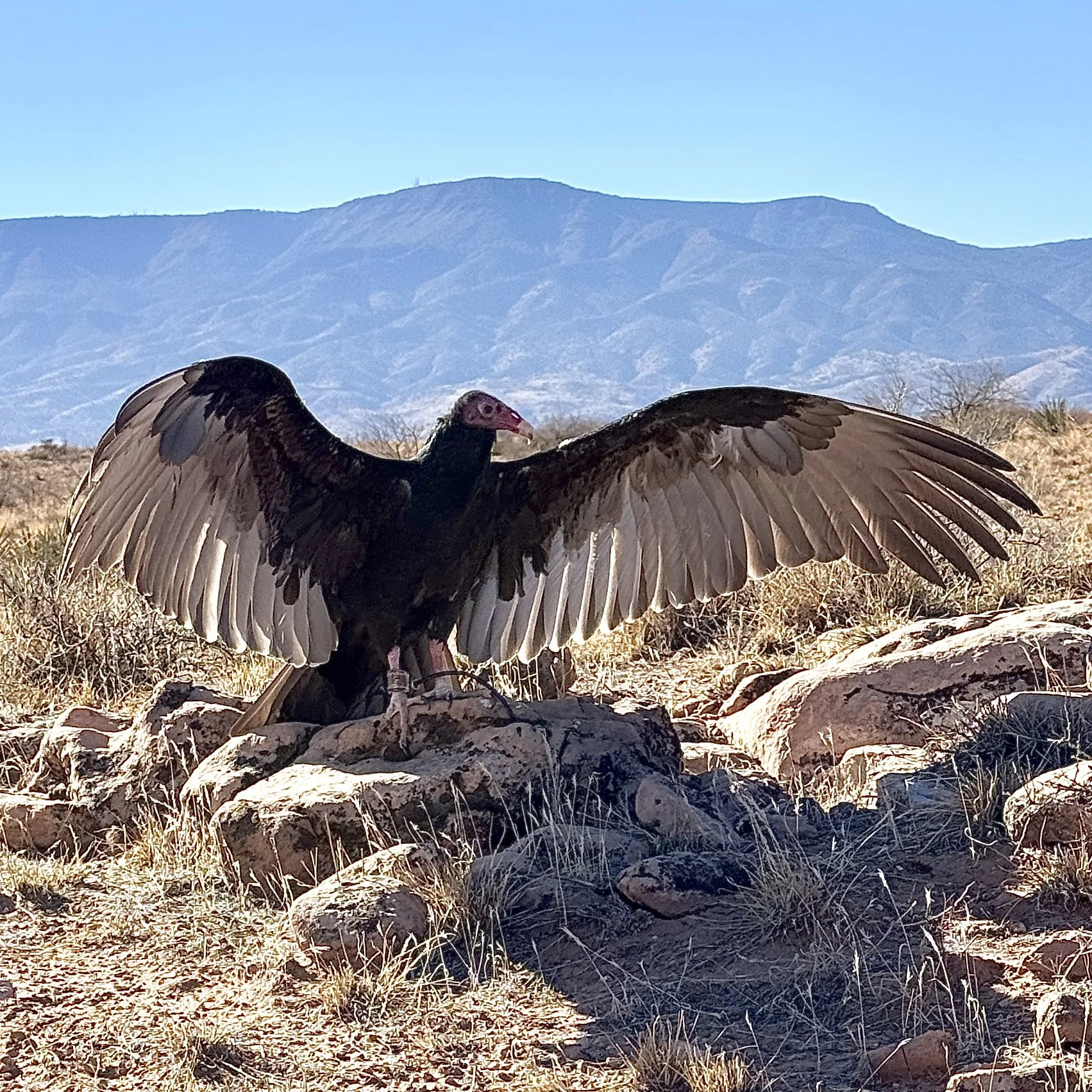
IRFC’s Turkey Vulture, Druantia. Learn about her on the Flying Team page
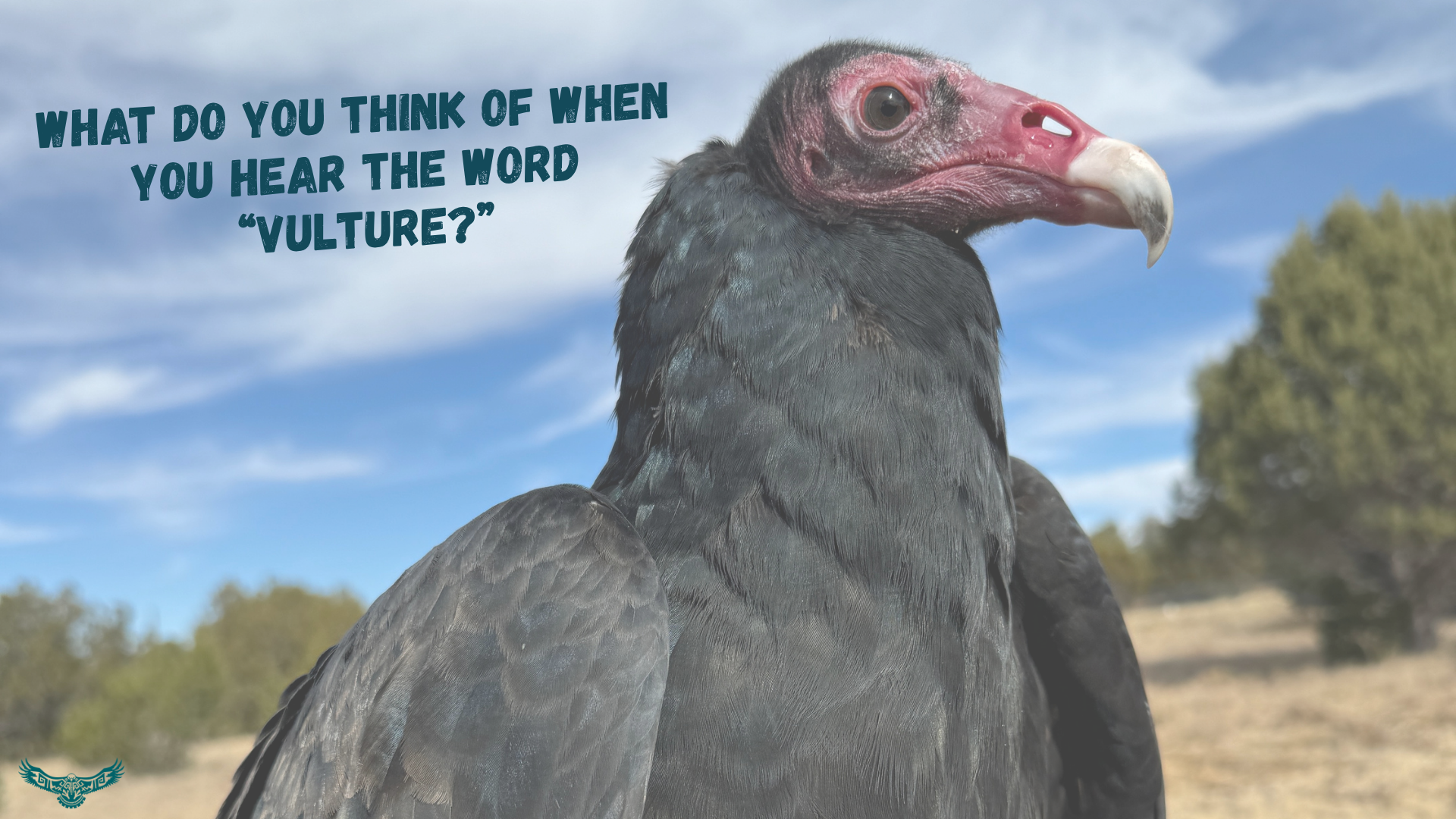
Few birds have a worse reputation than vultures. They are commonly associated with death, disease, decay, and bad luck, and are frequently portrayed in popular media as sinister or opportunistic scavengers waiting for something to die. These misconceptions have shaped public attitudes for generations. Ironically, nearly everything people think they know about vultures is wrong.
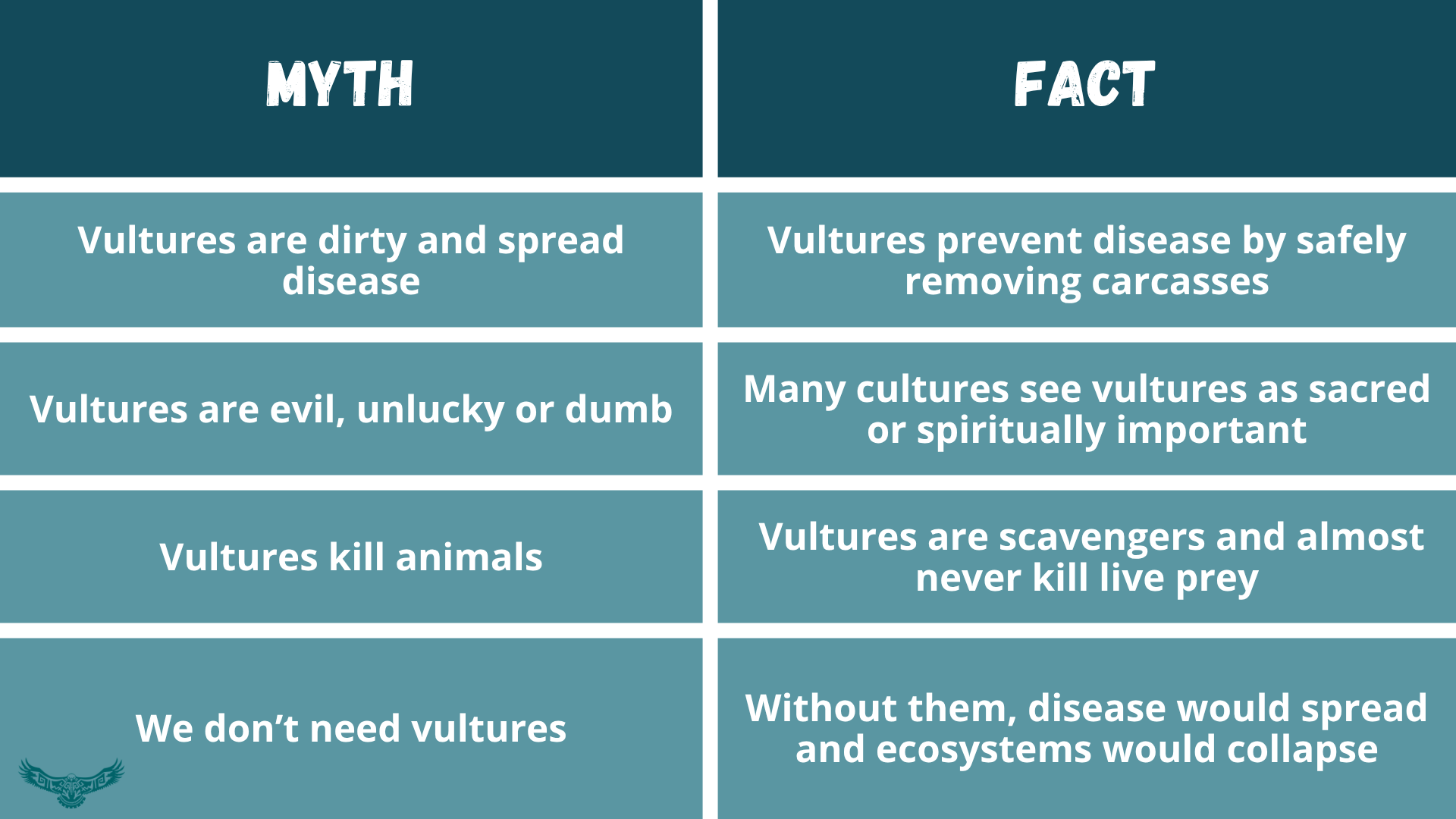
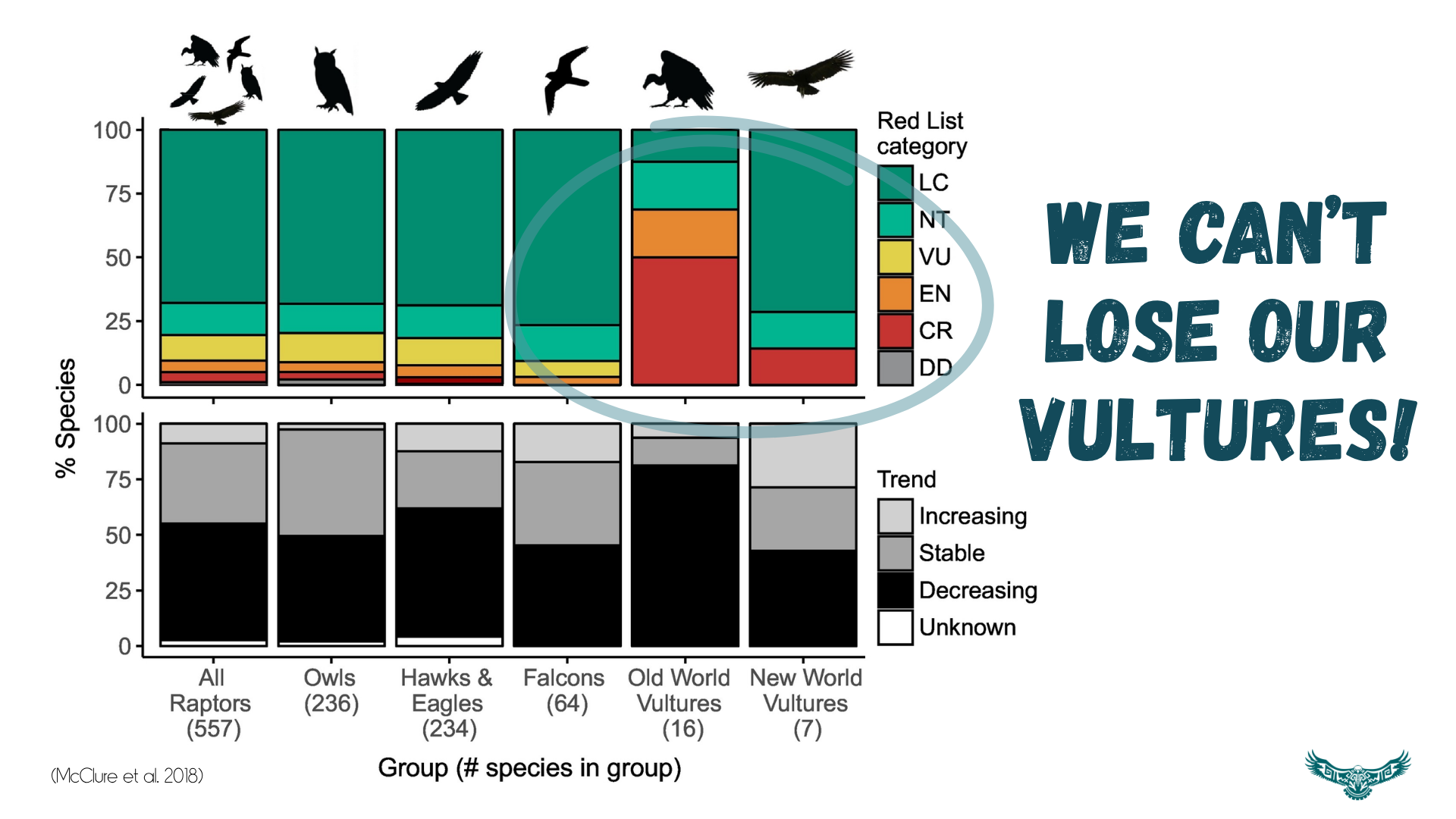
Rather than spreading disease, vultures help prevent it. Rather than harming healthy wildlife, they specialize in consuming animals that have already died. In doing so, they provide one of the most important ecological services on Earth: rapidly removing carcasses before they become reservoirs for pathogens or attract less efficient scavengers. Their ecological role benefits wildlife, livestock, ecosystems, and people alike. As scientists have increasingly recognized the importance of this service, they have also documented alarming declines in vulture populations around the world, making vultures the most threatened group of raptors globally (McClure et al. 2018).
Understanding why vultures matter begins with understanding them.
Two Families, One Lifestyle
Although we commonly refer to all vultures as a single group, they actually belong to two unrelated families that evolved remarkably similar lifestyles through convergent evolution.
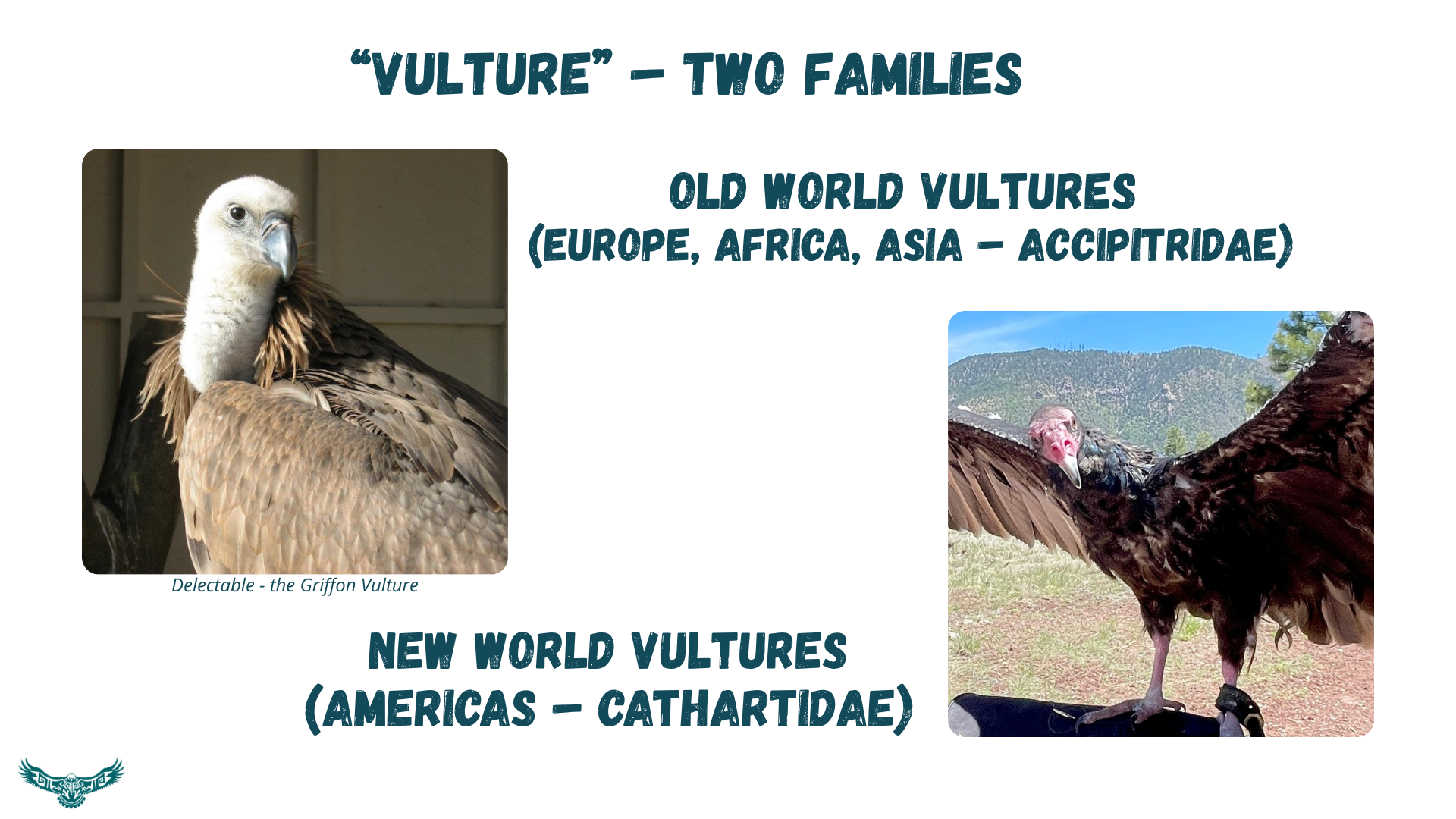
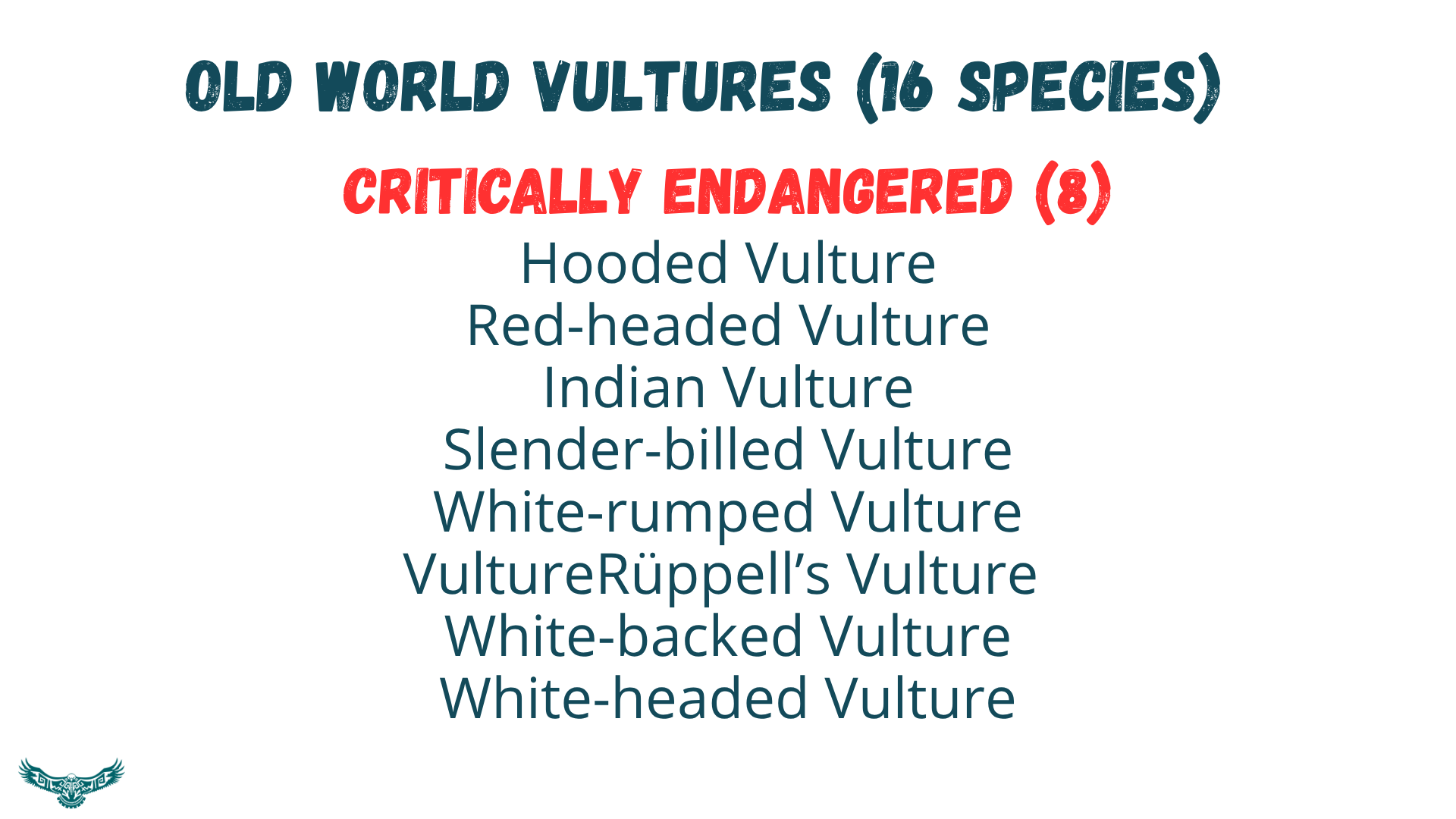
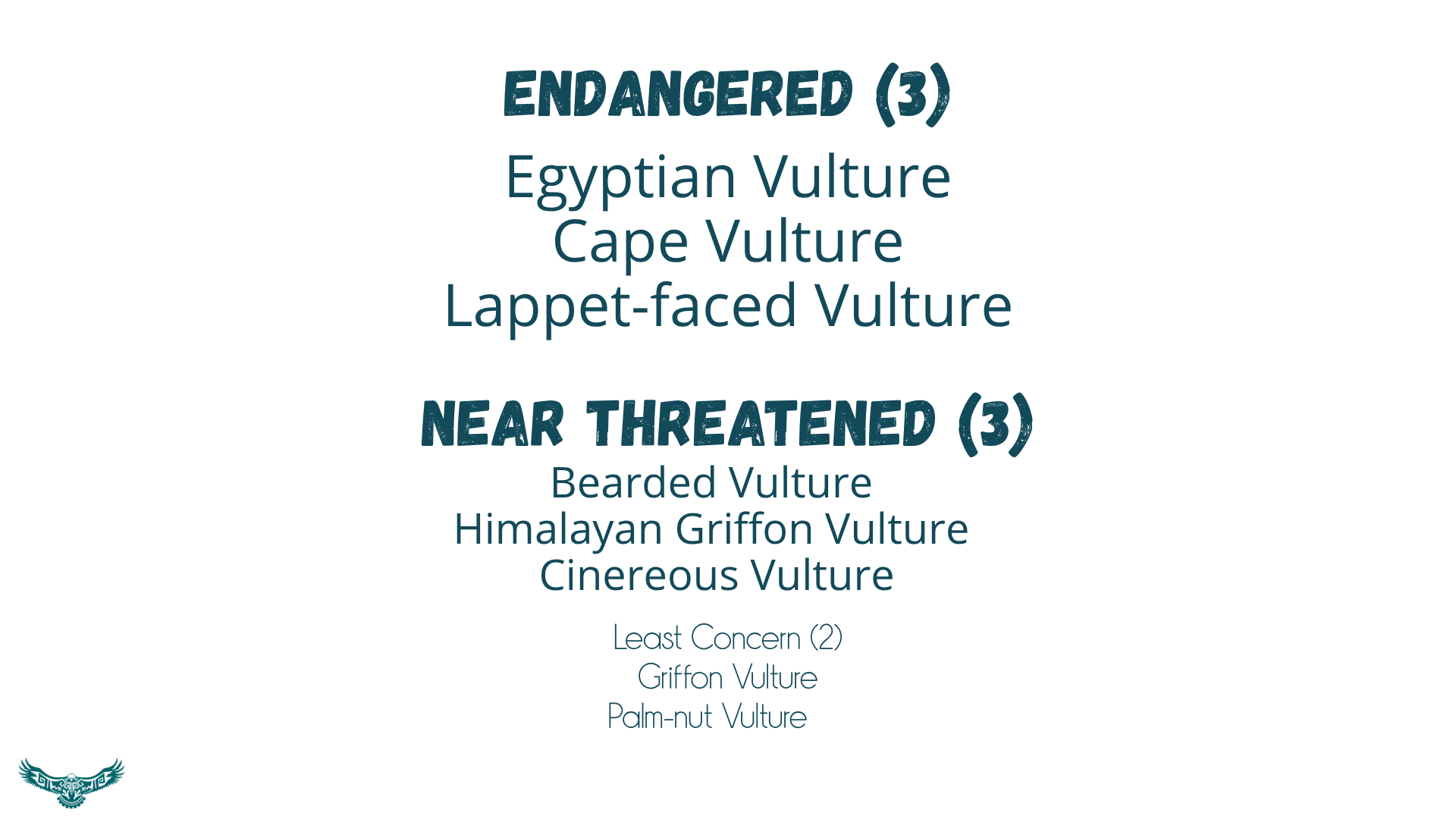
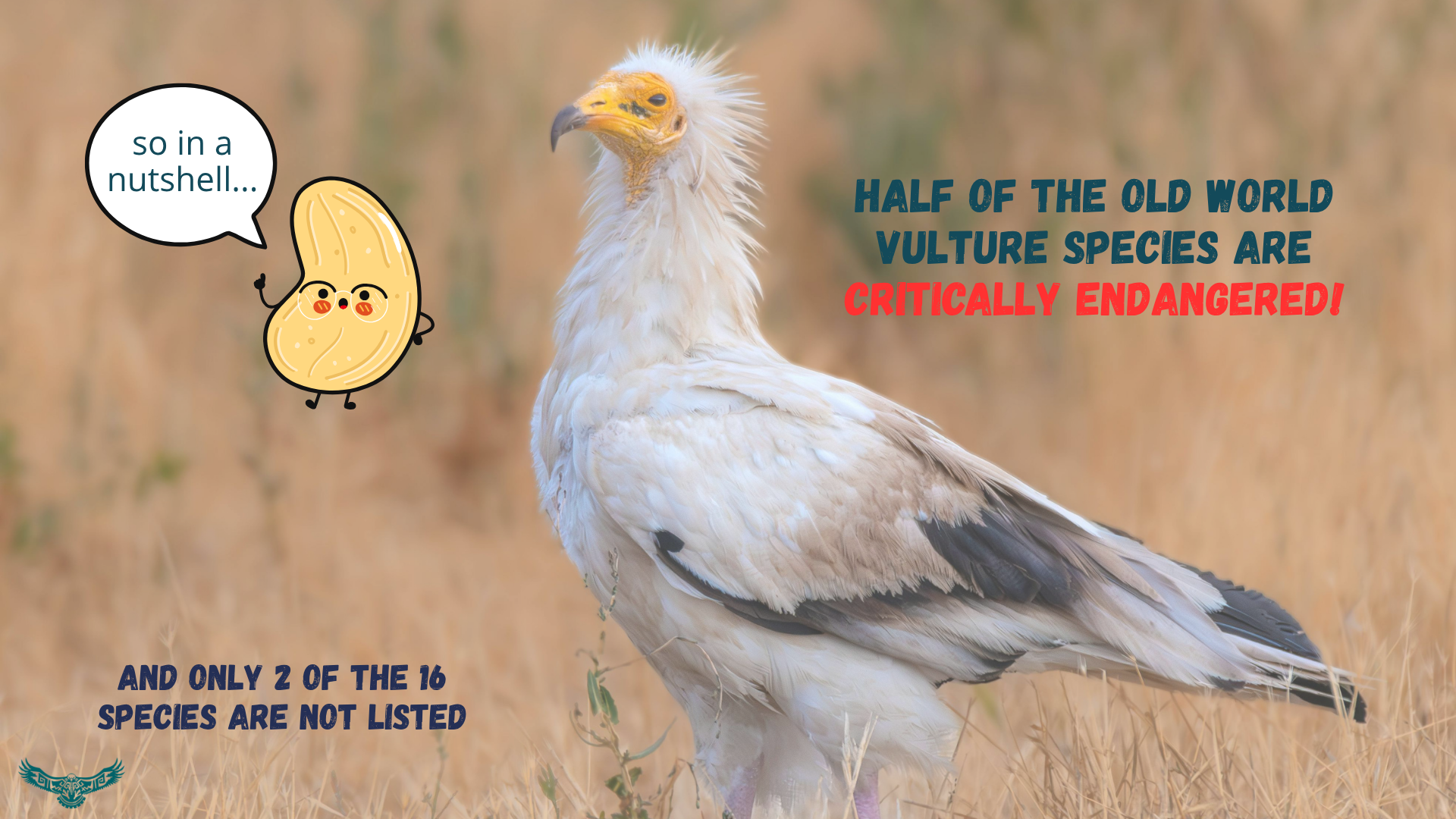
Old World vultures, found throughout Europe, Asia, and Africa, belong to the family Accipitridae, making them close relatives of hawks and eagles. Sixteen species are currently recognized. Alarmingly, eight of these species are classified as Critically Endangered, three as Endangered, and only two remain listed as Least Concern. In other words, half of all Old World vulture species are now critically endangered and all but two are listed.
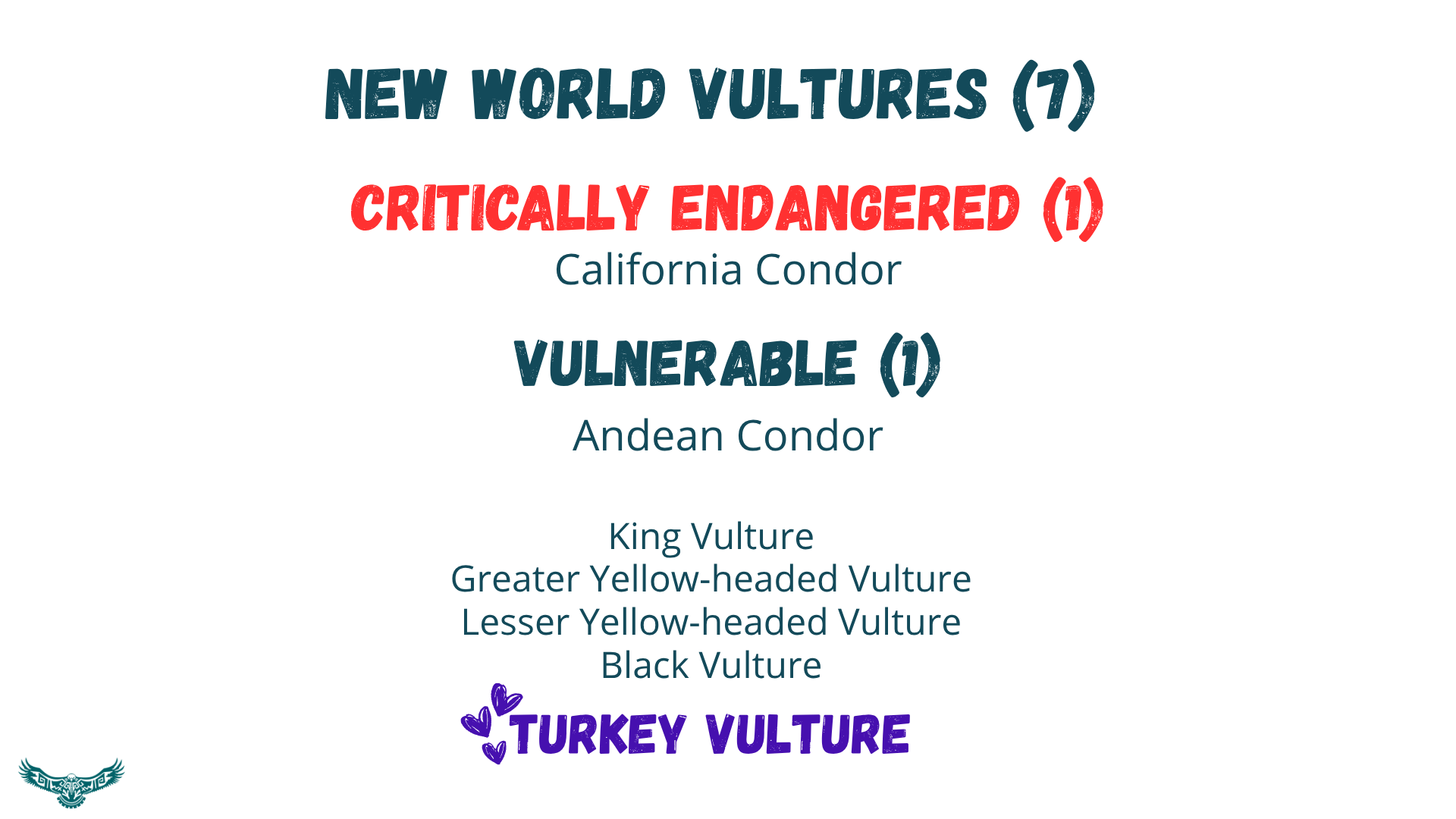
New World vultures occur throughout North and South America and belong to an entirely different family, Cathartidae. This family includes seven species, including the Turkey Vulture (Cathartes aura), Black Vulture (Coragyps atratus), King Vulture (Sarcoramphus papa), and California Condor (Gymnogyps californianus). While some of these species have generally fared better than many of their Old World counterparts, the California Condor remains Critically Endangered and the Andean Condor is classified as Vulnerable.
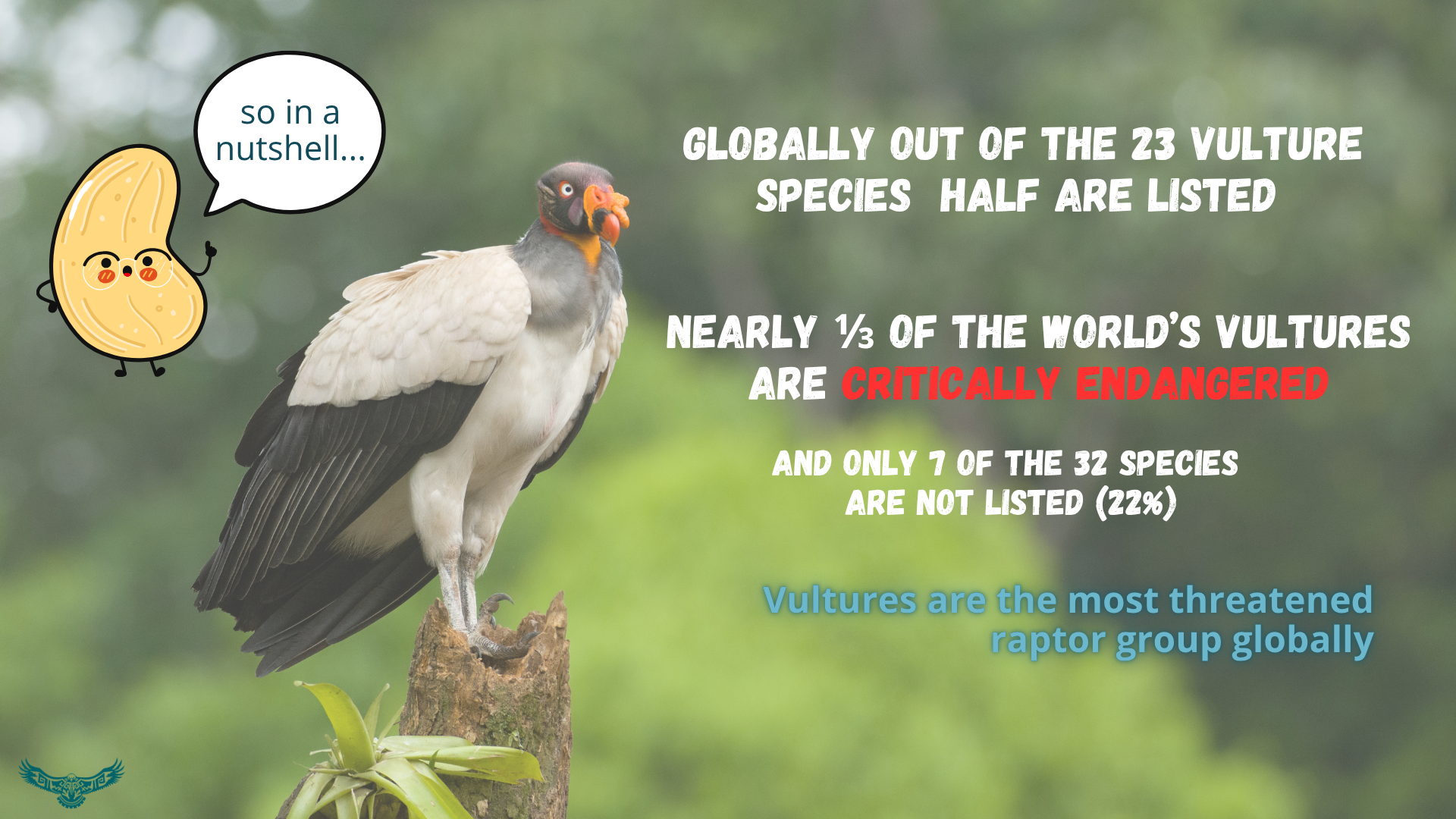
Collectively, vultures represent the most threatened ecological guild of raptors in the world. Their decline is especially concerning because no other group of birds performs the same ecological function as efficiently.
Are Vultures and Buzzards the Same Thing?
One source of confusion is the term "buzzard." In the United States, people often use "buzzard" as a colloquial name for vultures, particularly Turkey Vultures. However, this usage is technically incorrect. True buzzards are members of the genus Buteo, a group of broad-winged soaring hawks found throughout Europe, Asia, Africa, the Americas. Species such as the Common Buzzard (Buteo buteo) of Europe and the Red-tailed Hawk (Buteo jamaicensis) of North America belong to the same genus and are close relatives.
The confusion stems largely from regional differences in common names. In much of Europe and other parts of the world, birds that North Americans call hawks are commonly referred to as buzzards. As a result, the word buzzard properly refers to a hawk, not a vulture. North America is unusual in applying the name "buzzard" to vultures, a usage that has persisted for centuries despite being taxonomically inaccurate.
The term vulture refers to members of the families Cathartidae (New World vultures) and Accipitridae (Old World vultures), while buzzard refers only to species of Buteo.
Finding the Unfindable
Predators actively pursue living prey. Vultures face a different challenge entirely. Their food source is unpredictable in both space and time. A carcass may remain available for several days or disappear within hours depending on weather, competition, and decomposition. Locating that resource quickly is essential for survival.
Most Old World vultures rely primarily on exceptional eyesight. Soaring high above the landscape, they scan vast areas for carcasses or watch the behavior of other scavengers already descending to feed.
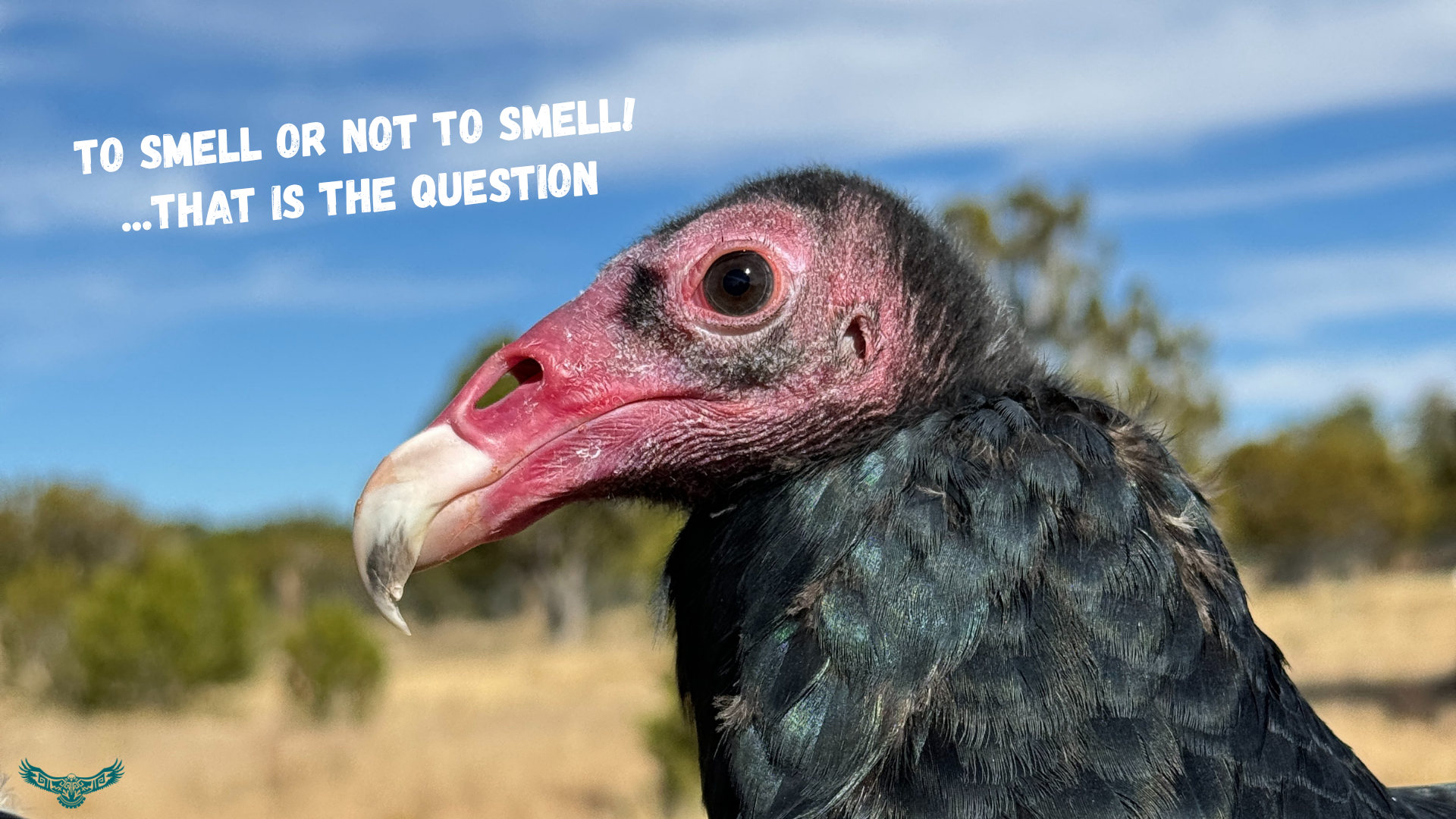
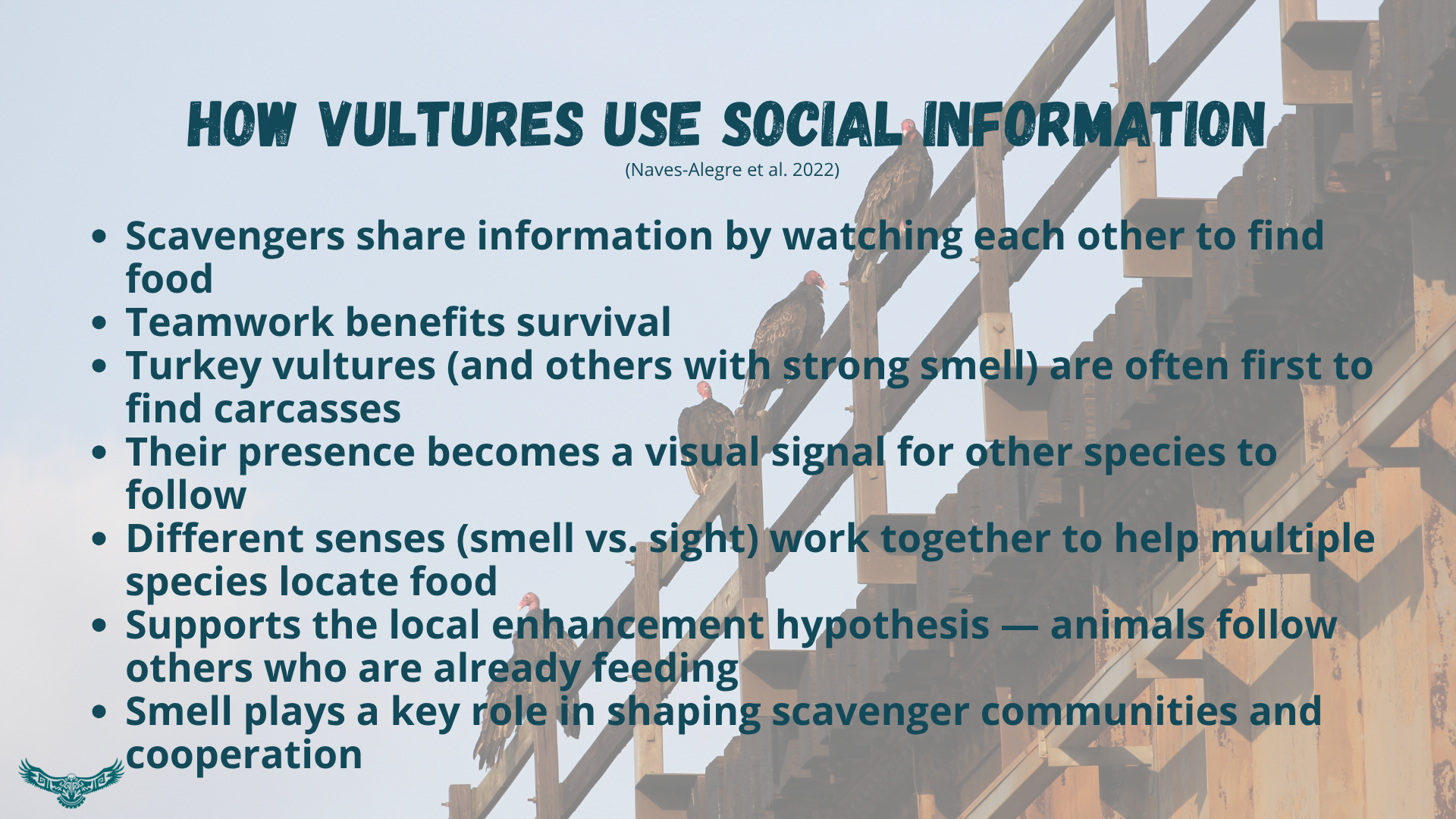
However, Turkey Vultures possess one of the most highly developed senses of smell known among birds. They are capable of detecting volatile compounds released during the earliest stages of decomposition, allowing them to locate carcasses hidden beneath dense forest canopies that would otherwise remain invisible from the air. Once a Turkey Vulture discovers food, its presence often serves as a visual cue for other scavengers, including Black Vultures and additional carrion-feeding species such as eagles and hawks. Rather than competing independently, scavenger communities frequently benefit from different sensory adaptations working together. Recent research supports this "local enhancement" hypothesis, demonstrating that both olfactory and visual information shape scavenger communities in Neotropical ecosystems (Naves-Alegre et al. 2022).
Built for Scavenging
One of the most recognizable characteristics of vultures is their featherless head. While often viewed as unattractive, this feature is a highly specialized adaptation for scavenging.
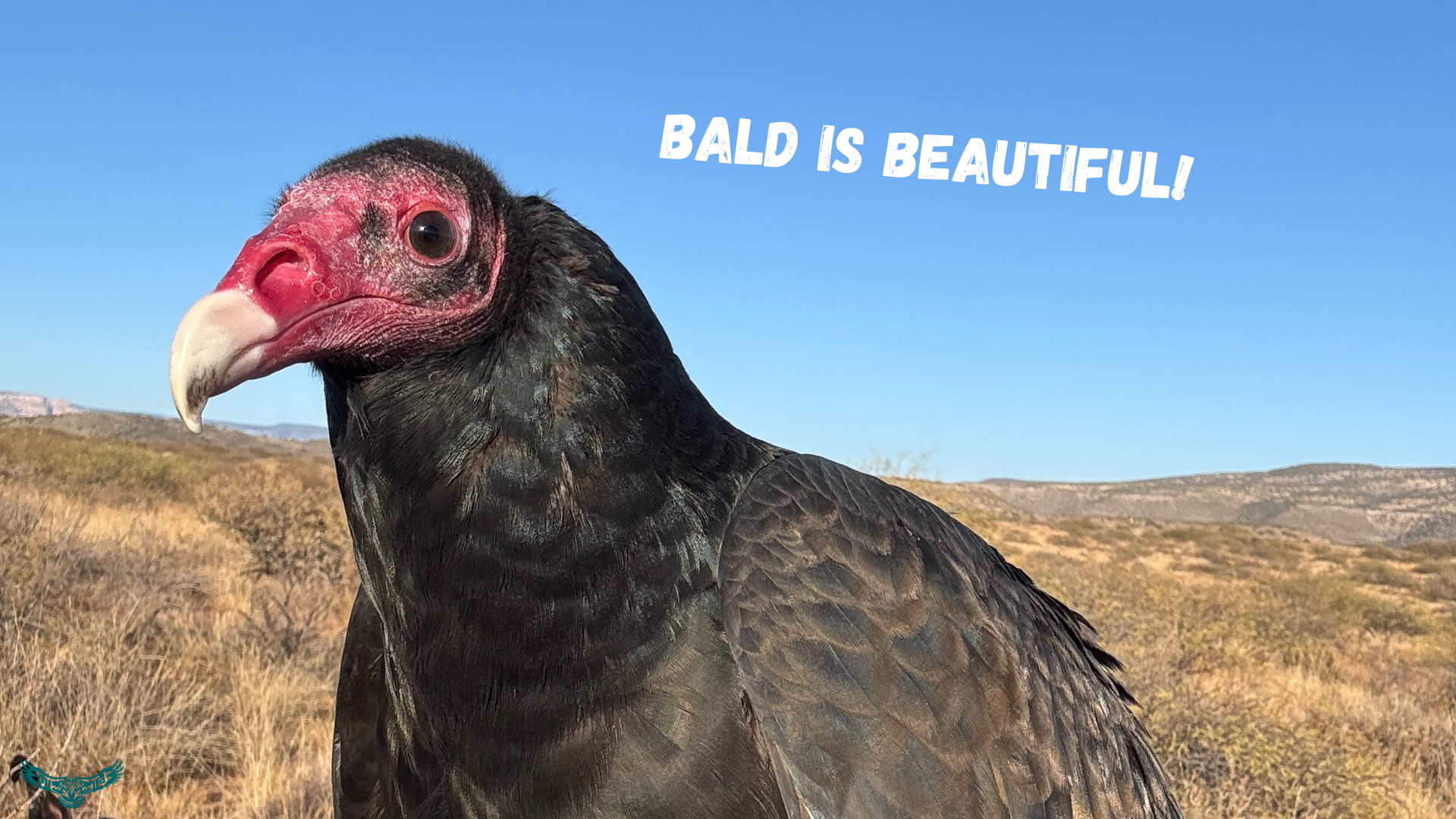
Feathers surrounding the head and neck would quickly become contaminated while feeding inside carcasses. Bare skin minimizes the accumulation of blood, tissue, and bacteria and can be more easily cleaned through preening and exposure to sunlight. Like many aspects of vulture biology, what appears unusual is actually an elegant evolutionary solution to a difficult ecological problem.
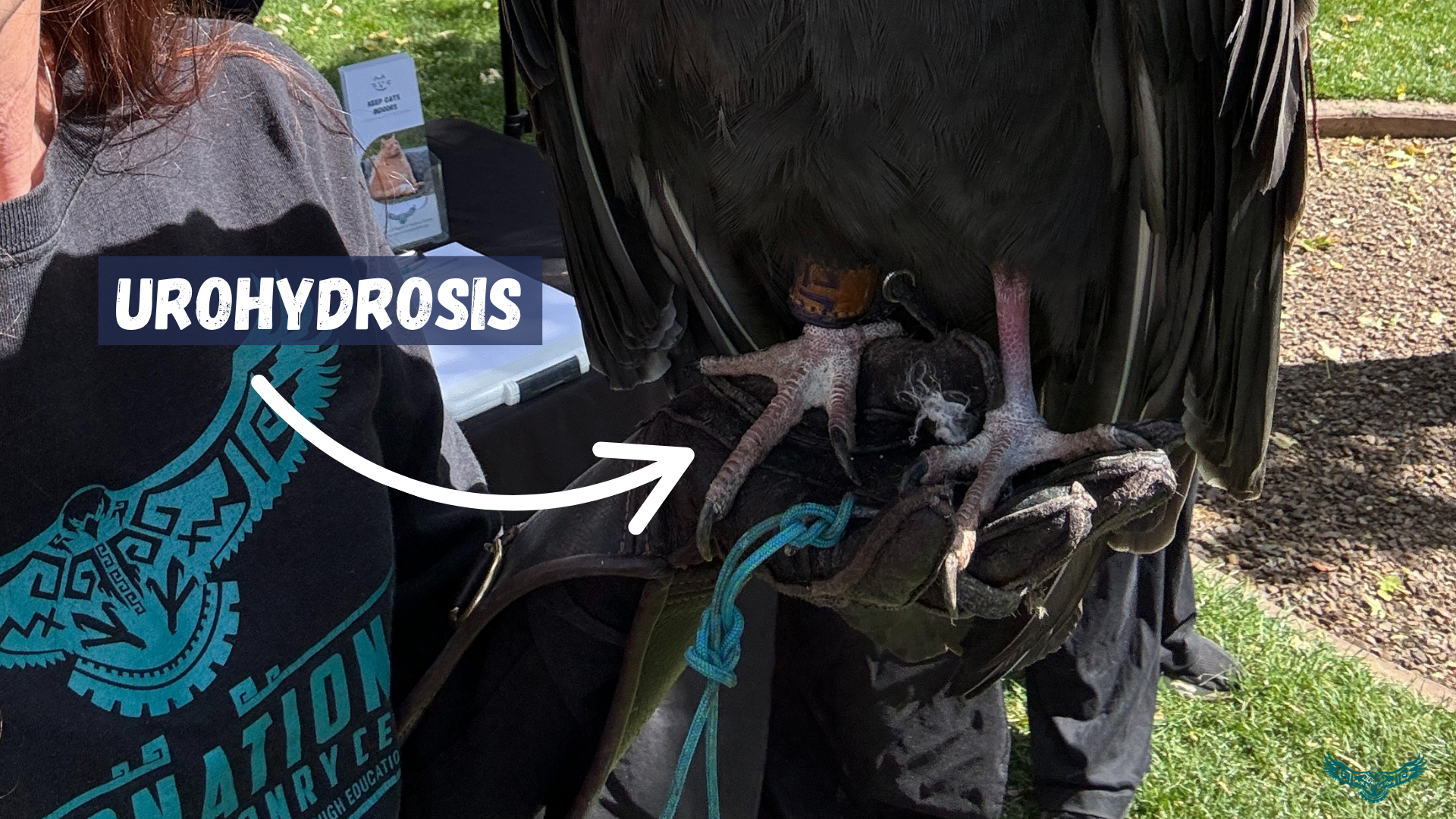
Turkey Vultures possess another remarkable adaptation known as urohydrosis, the behavior of urinating on their own legs. As the liquid evaporates, it provides evaporative cooling during hot weather while also helping sanitize the legs after walking through carcasses. Although unusual to many observers, urohydrosis represents another example of the specialized adaptations that enable vultures to exploit a food resource avoided by most other vertebrates.
Masters of Efficient Flight
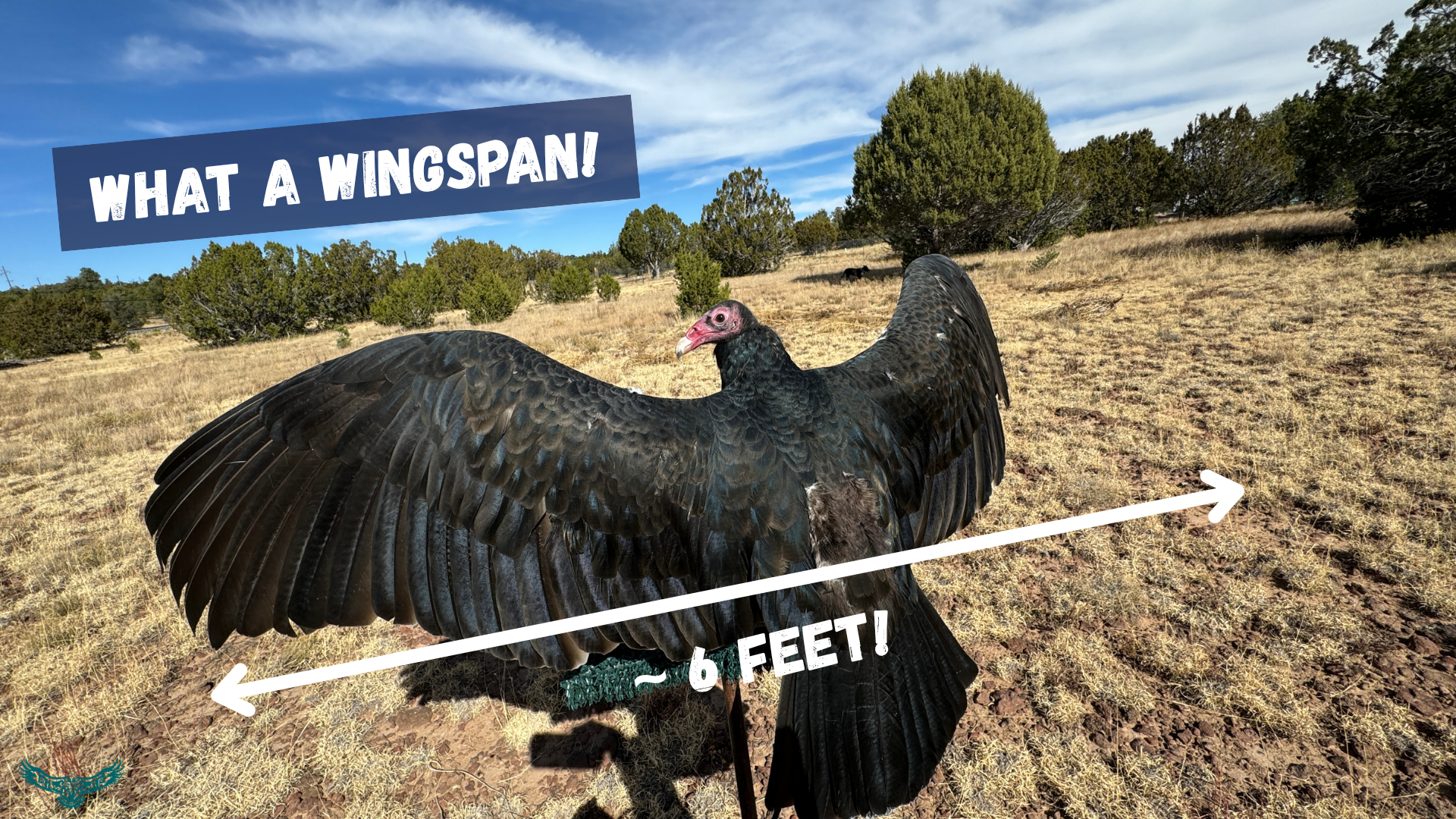
Turkey Vultures are among North America's most efficient soaring birds. With wingspans approaching six feet, they rely almost entirely on thermal uplift, columns of rising warm air, to gain altitude with minimal energy expenditure. Rather than continuously flapping their wings, they circle within thermals before gliding long distances to the next rising air column. This strategy allows them to search enormous areas while expending remarkably little energy.
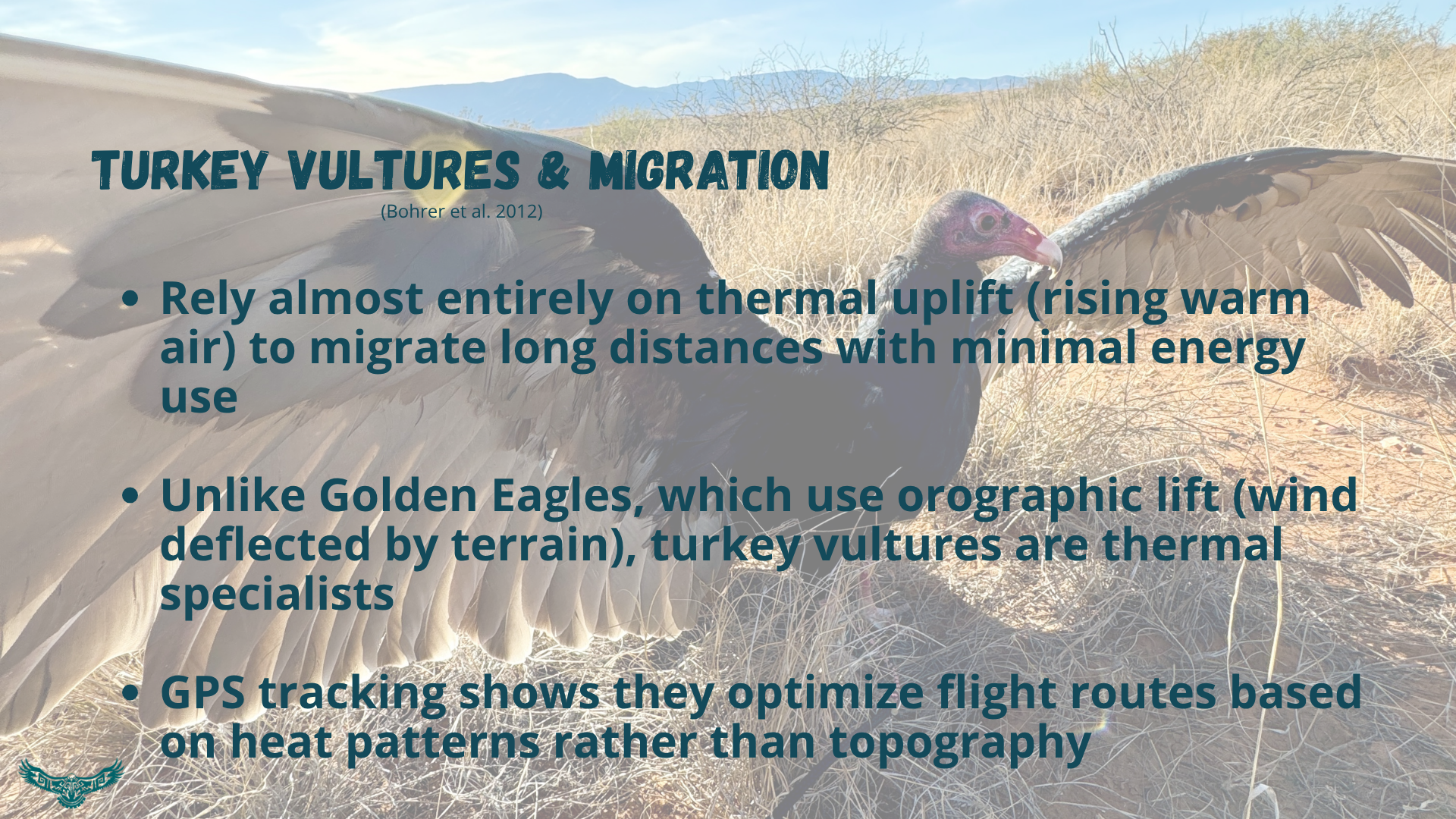
GPS telemetry has shown that Turkey Vultures actively optimize their migration routes to exploit thermal conditions, whereas Golden Eagles rely more heavily on orographic lift generated by terrain. Although both species are masters of soaring flight, they use fundamentally different strategies to move across the landscape (Bohrer et al. 2012).
Why Are Vultures Vital?
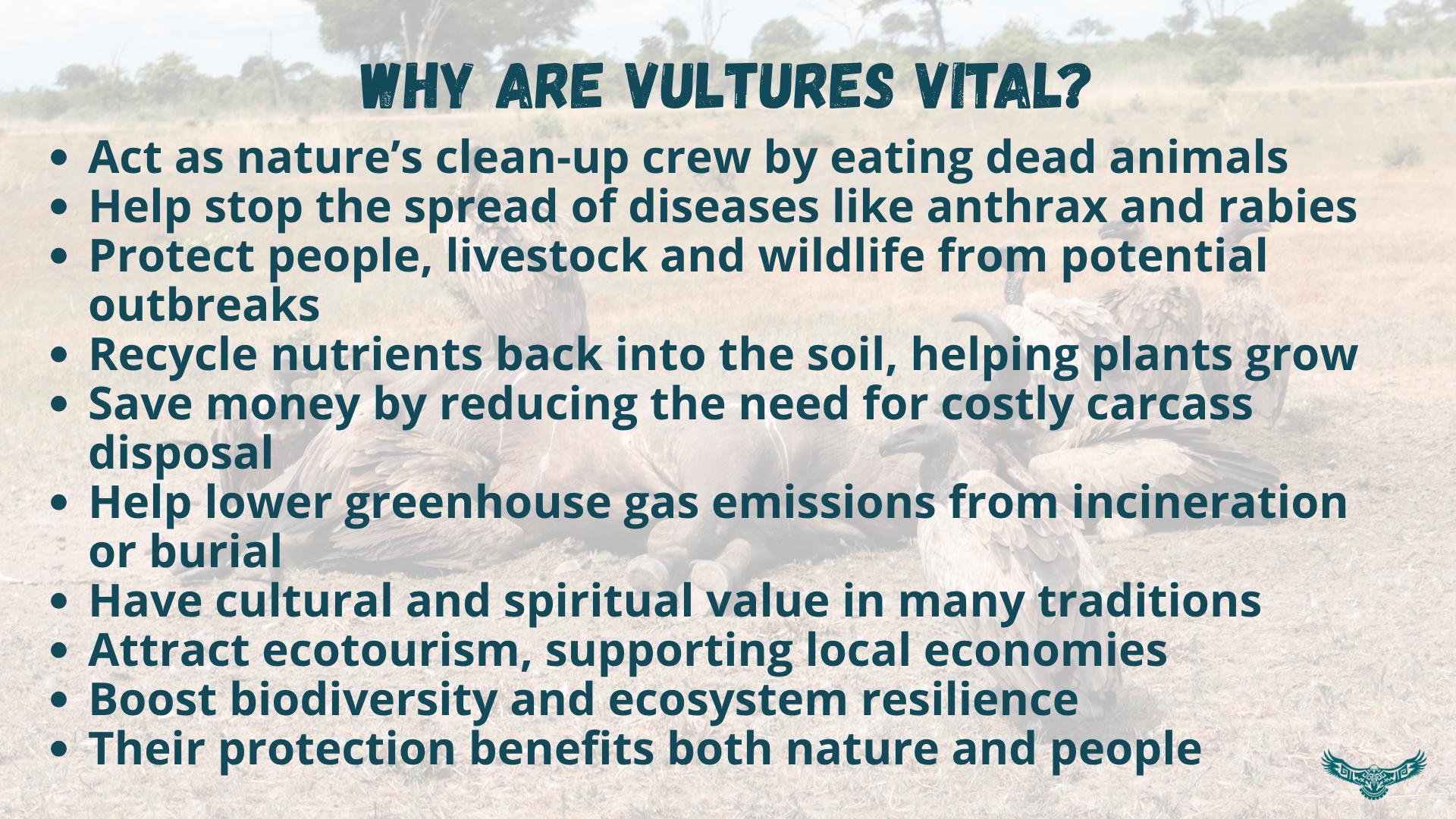
Everything about a vulture's biology has evolved around one ecological role: removing decomposing animals from the ecosystem.
Although this may seem unglamorous, it is one of the most important ecosystem services performed by any group of birds. By rapidly consuming carcasses, vultures help reduce opportunities for disease-causing pathogens to spread among wildlife, livestock, and people. They recycle nutrients back into ecosystems, reduce the need for costly carcass disposal, help lower greenhouse gas emissions associated with burial or incineration, support biodiversity, and contribute to local economies through ecotourism. Across many cultures they hold profound spiritual and religious significance.
The importance of these services becomes especially apparent when vultures disappear. Research has shown that the loss of vultures alters scavenger communities, allowing other scavengers, including feral dogs and other mammals, to dominate carcasses. Unlike vultures, these species are more likely to facilitate disease transmission among wildlife, livestock, and humans (Ogada et al. 2012). Consequently, conserving vultures is not simply about protecting another group of birds. It is about maintaining ecological processes that benefit both biodiversity and society.
In many parts of the world, people have recognized the importance of vultures for thousands of years. Their ecological role has long been reflected in religion, mythology, and cultural traditions; a perspective that contrasts sharply with the negative image they often hold in modern Western society.
Revered Cultures: Vultures in Religion and Tradition
While vultures are often viewed negatively in much of the modern Western world, many cultures have long recognized their ecological and spiritual significance. Across parts of Asia and Africa, vultures are associated not with death itself, but with the transition between life and death, purification, protection, and renewal.
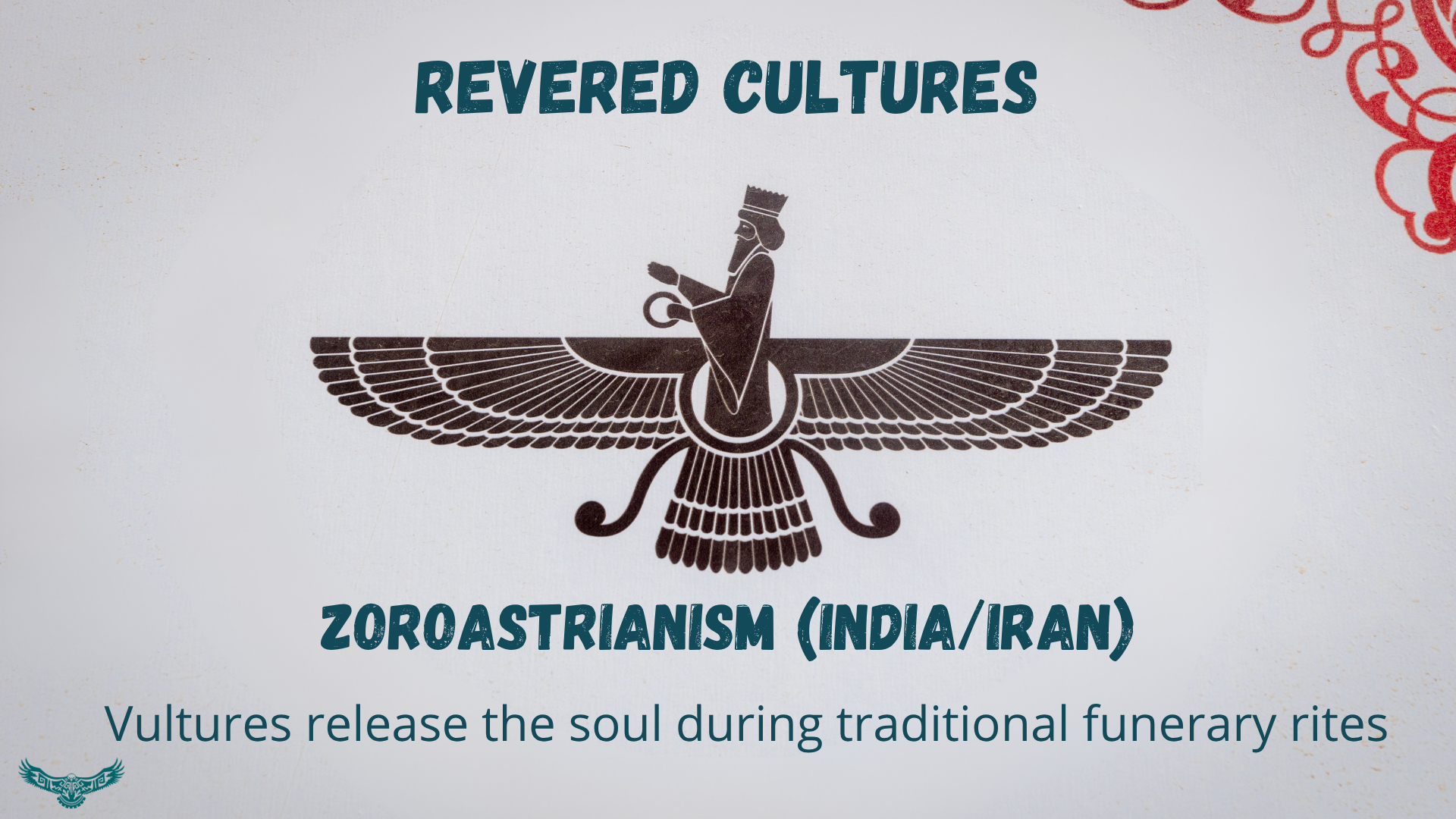
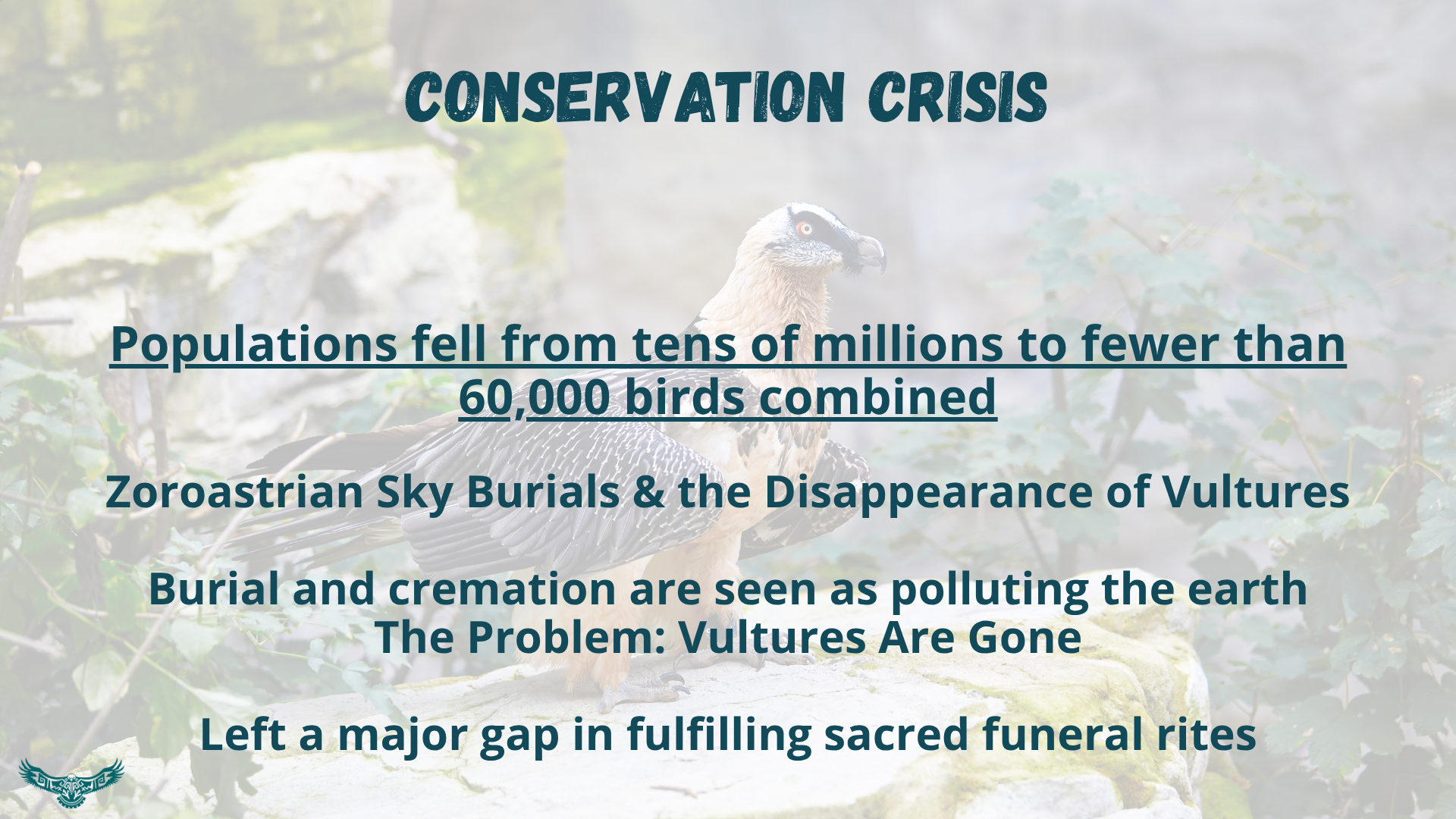
In Zoroastrianism, one of the world's oldest monotheistic religions, the earth, fire, and water are considered sacred and should not be polluted by human remains. Historically, the deceased were placed atop structures known as Towers of Silence, where vultures consumed the bodies. This practice allowed the remains to return to nature while avoiding contamination of the natural elements.
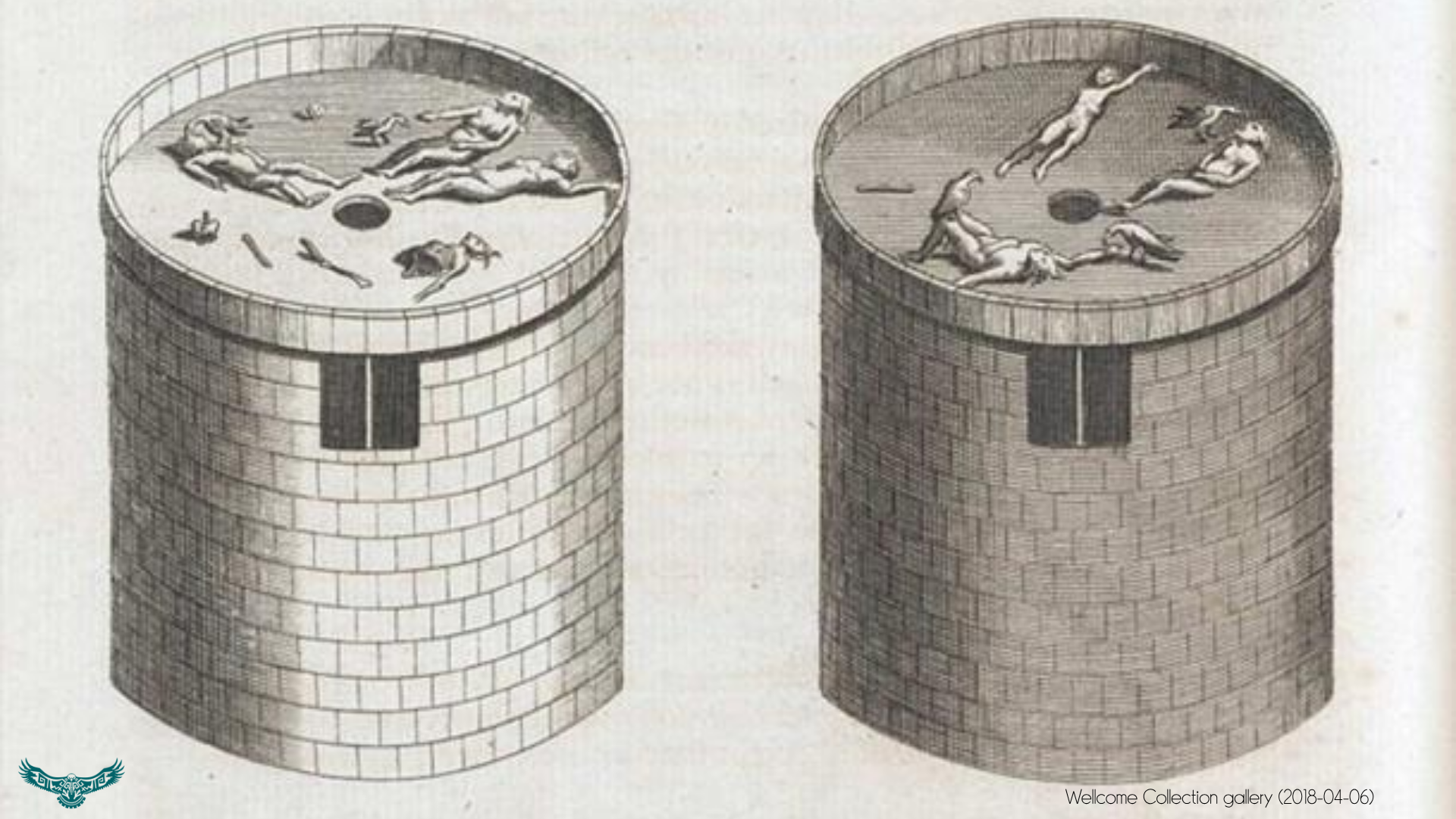
Tower of Silence
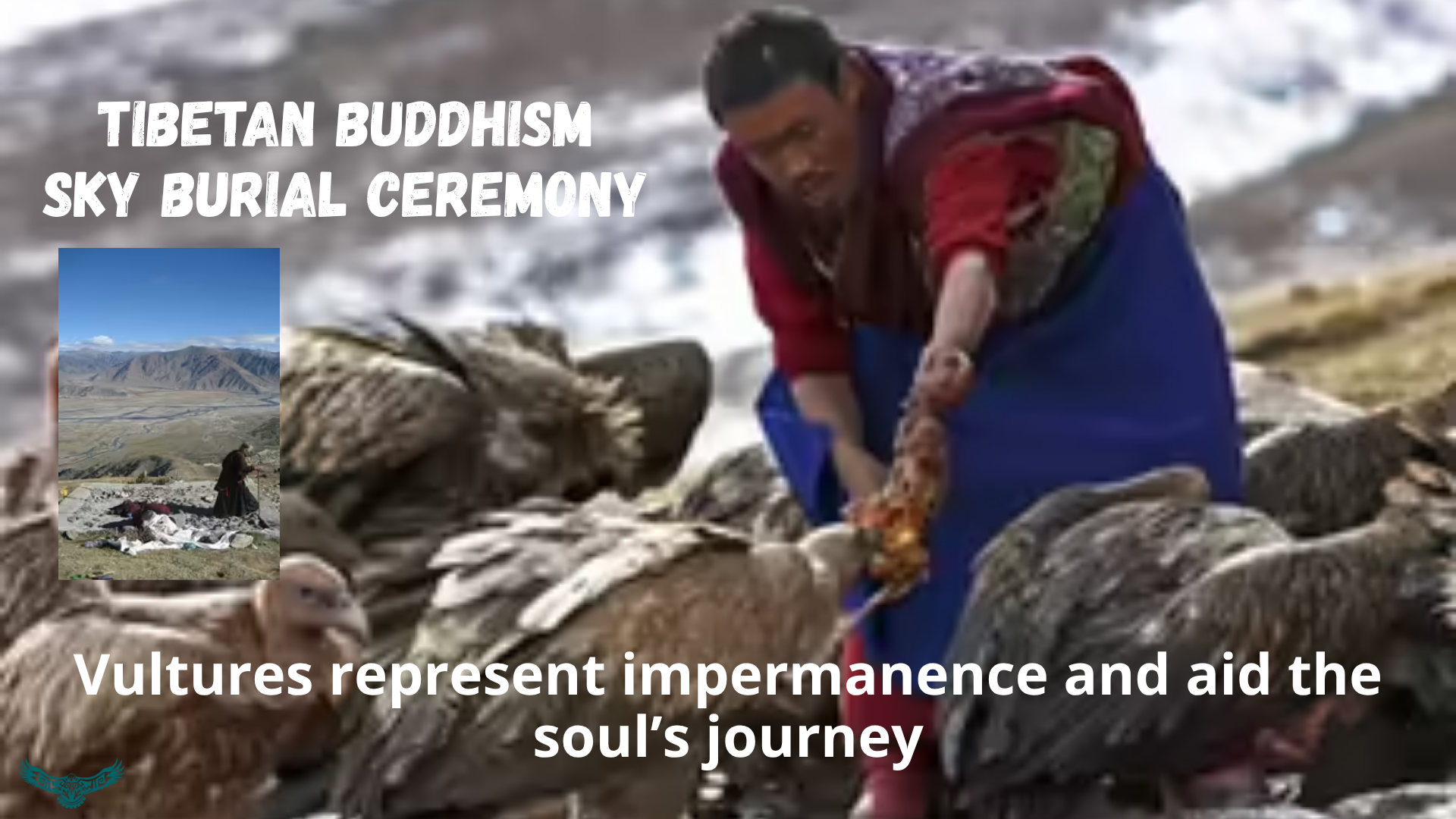
Similarly, in Tibetan Buddhism, the practice of sky burial reflects the belief that the body is simply a temporary vessel. Vultures consume the remains, symbolically assisting the soul's journey while returning nutrients to the natural world. Rather than being feared, vultures are viewed as participants in the cycle of life and death.
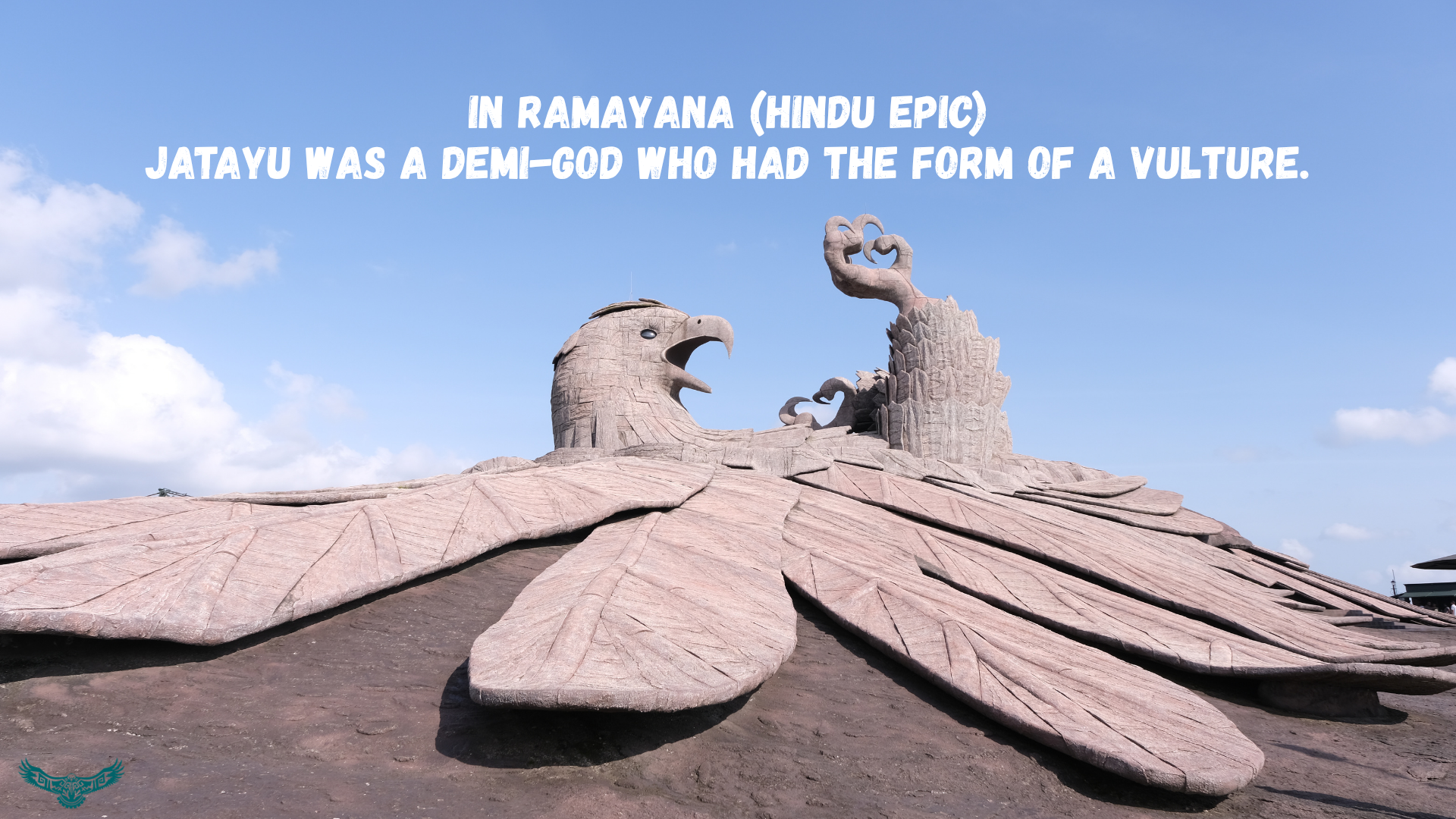
Within Hinduism, vultures also occupy an important place in both religion and mythology. The epic Ramayana tells the story of Jatayu, a vulture demigod who sacrifices himself while attempting to rescue Sita from Ravana. Jatayu's courage and selflessness have made him one of Hinduism's most respected avian figures. In addition, vultures play an important role in Parsi funerary traditions, which originated from Zoroastrian beliefs and continue to influence funeral practices in parts of India.
Ancient Egypt likewise viewed vultures very differently than many people do today. The goddess Nekhbet, often depicted as a vulture with outstretched wings, symbolized protection, motherhood, and royal authority. Rather than representing misfortune, the vulture served as a powerful emblem of guardianship and divine care.
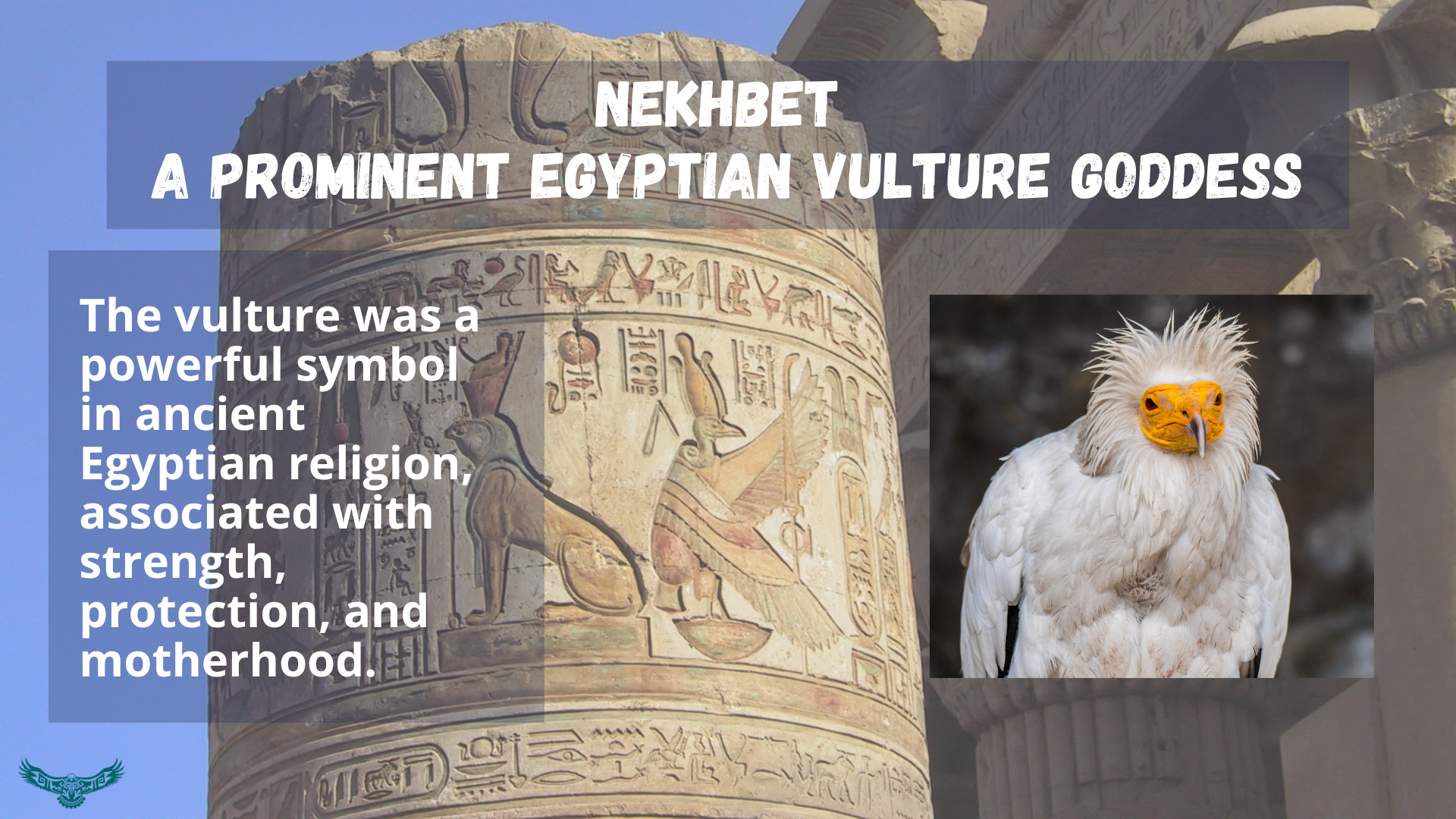
These examples illustrate an important contrast. Many traditional cultures recognized vultures as indispensable members of the natural world, whereas modern Western society has often reduced them to symbols of death and decay. Ironically, the decline of vultures has demonstrated that those earlier cultures may have understood their importance better than we do today.
The Asian Vulture Crisis: A Conservation Catastrophe
During the late 1990s, wildlife biologists began documenting an alarming decline in populations of White-rumped (Gyps bengalensis) and Indian Vultures (Gyps indicus) throughout India. Similar population collapses were reported in Pakistan soon afterward. Initially, the cause was unknown. Habitat loss, infectious disease, pesticides, and food shortages were all considered possible explanations, but none adequately explained the extraordinary speed of the decline.
The answer ultimately came from an unexpected source.
Researchers discovered that the veterinary anti-inflammatory drug diclofenac, commonly administered to livestock, was highly toxic to vultures. Although safe for cattle, even small residues remaining in the tissues of treated animals caused acute kidney failure when consumed by vultures. As obligate scavengers, vultures routinely fed on livestock carcasses, unknowingly exposing themselves to a lethal toxin (Oaks et al. 2004; Green et al. 2004).
The consequences were unprecedented. Populations of several Gyps species declined by more than 99%, representing one of the fastest documented population collapses of any bird group. What had once numbered in the tens of millions was reduced to fewer than 60,000 individuals combined.
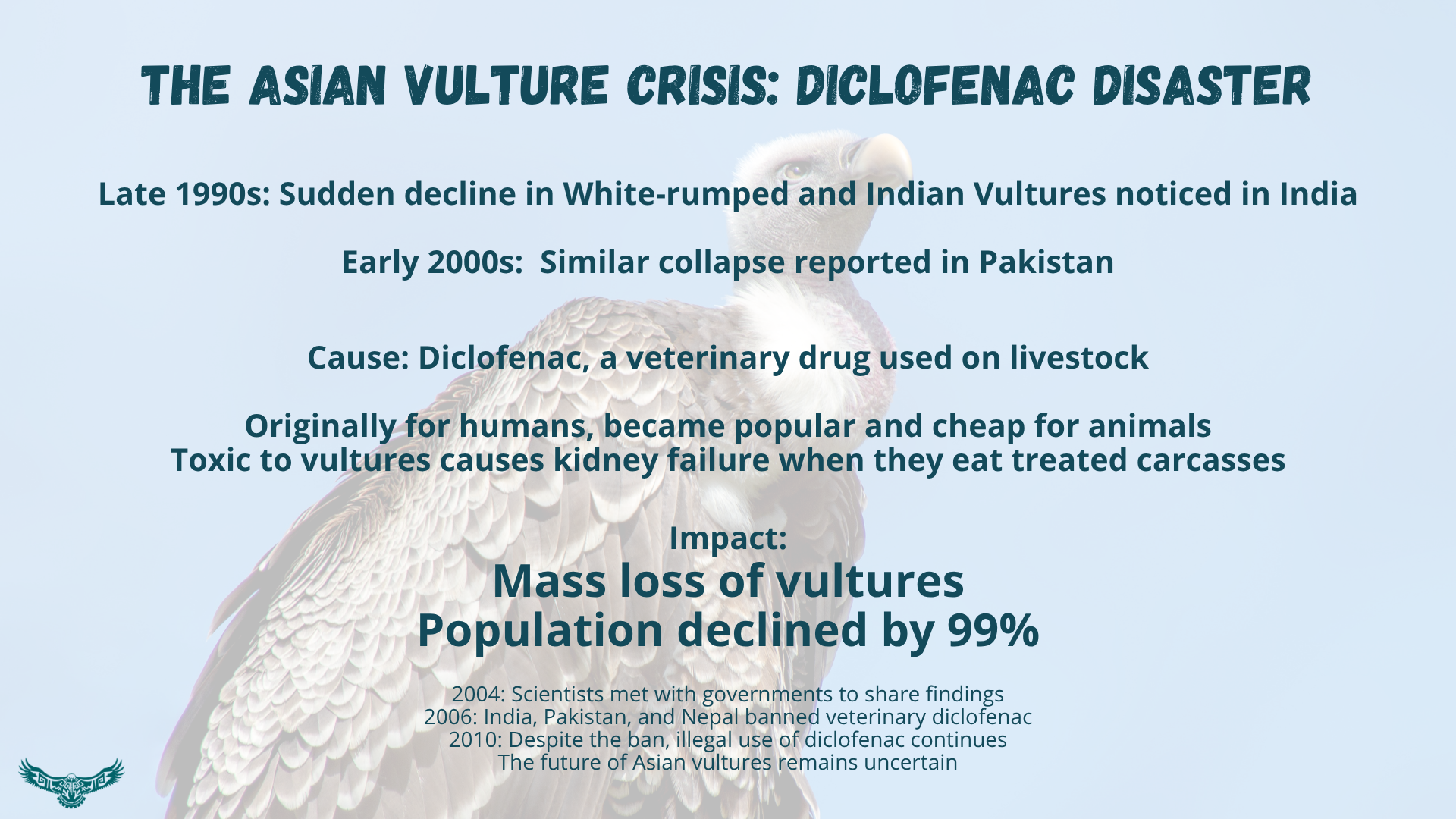
Recognizing the severity of the crisis, scientists met with government officials in 2004 to present the growing body of evidence linking diclofenac to vulture mortality. In 2006, India, Pakistan, and Nepal banned the veterinary use of diclofenac in an effort to halt further declines. However, illegal use persisted after the ban, and the long-term recovery of Asian vulture populations remains uncertain.
The disappearance of vultures affected more than biodiversity. In regions where vultures had once rapidly removed livestock carcasses, carrion remained on the landscape longer and became available to other scavengers. Subsequent research demonstrated that the loss of vultures altered scavenger communities and was associated with significant ecological, economic, and public health consequences (Markandya et al. 2008; Frank & Sudarshan 2024). The Asian vulture crisis remains one of the clearest examples of how the decline of a single ecological guild can have consequences that extend far beyond wildlife conservation.
Reintroducing Egyptian Vultures
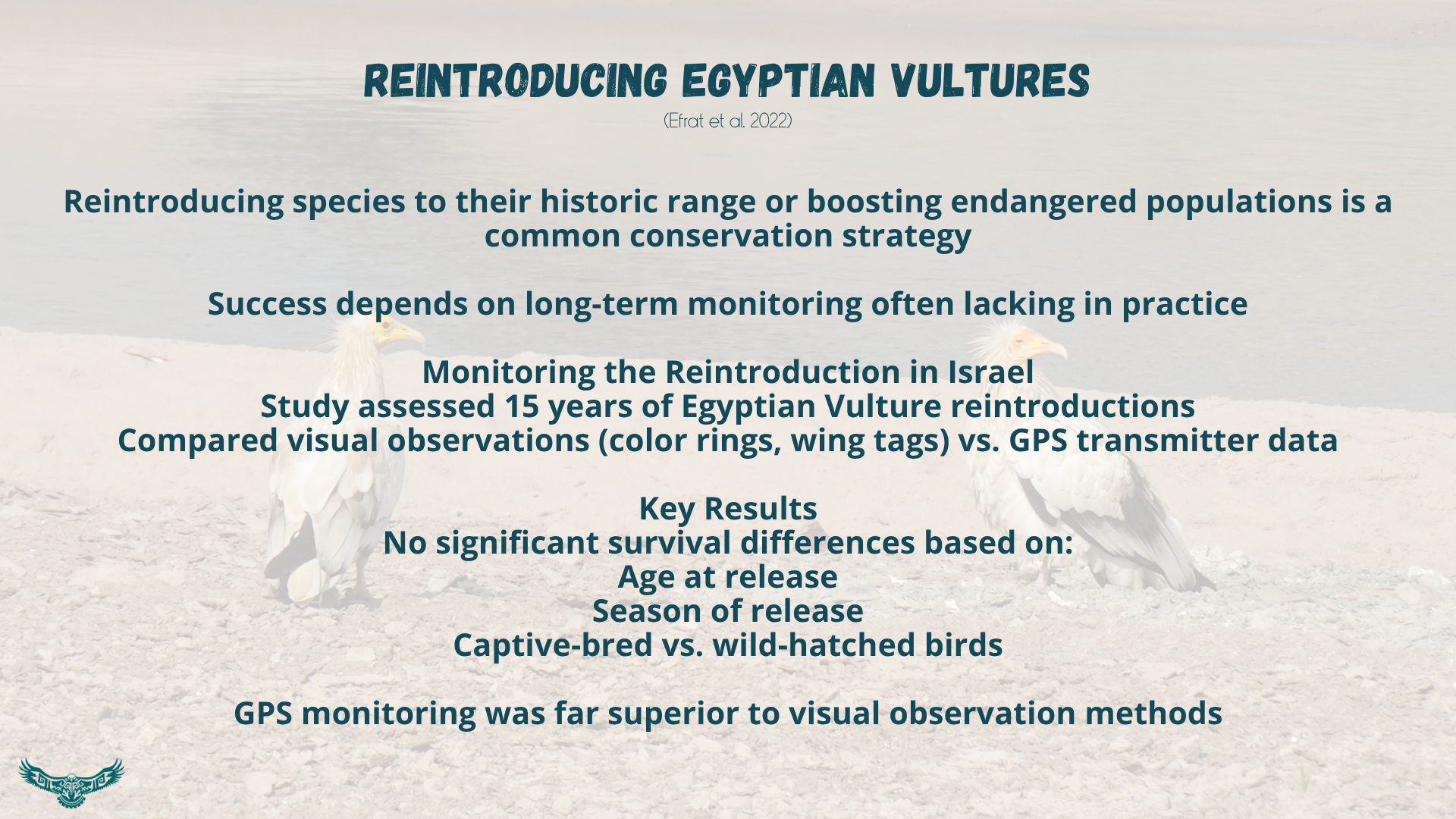
Once the primary cause of decline has been identified and addressed, conservation often turns toward population recovery. One common strategy is the reintroduction of captive-bred individuals into areas where populations have disappeared or become critically small. However, successful reintroduction requires long-term monitoring to determine whether released birds survive and reproduce.
A 15-year study of Egyptian Vulture reintroductions in Israel evaluated several factors that might influence post-release survival, including the age of birds at release, the season in which they were released, and whether birds had been captive-bred or wild-hatched. Researchers found no significant differences in survival among these groups. Instead, one of the study's most important findings concerned monitoring itself. Birds equipped with GPS transmitters provided substantially more complete and accurate information than traditional visual observations using color bands or wing tags (Efrat et al. 2022).
The study highlights an important principle in modern wildlife conservation: successful reintroduction does not end when an animal is released. Long-term monitoring is essential for evaluating conservation success, identifying emerging threats, and improving future recovery efforts.
Africa's Vulture Crisis
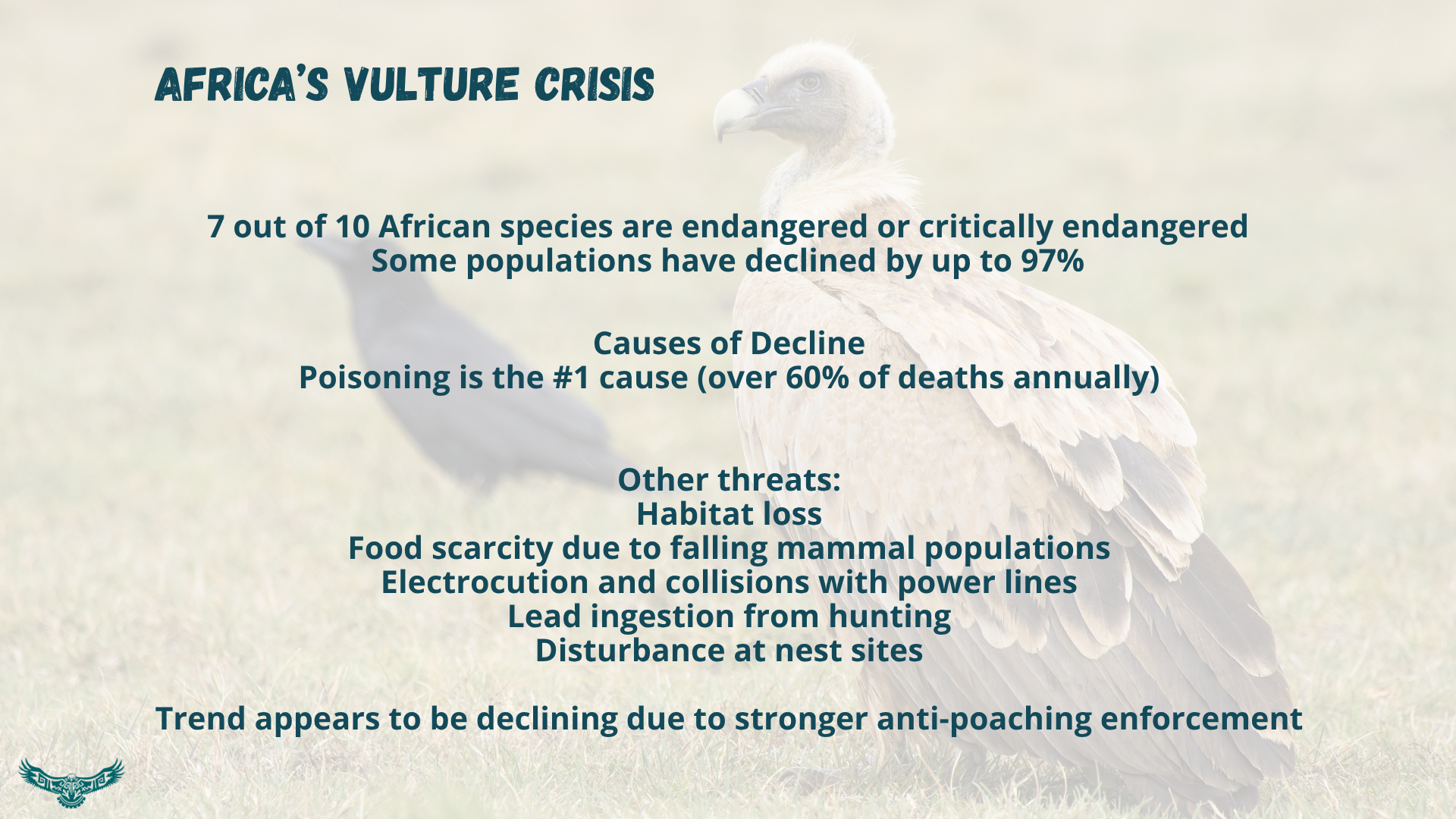
Unlike the Asian vulture crisis, which was largely driven by a single veterinary drug, the decline of African vultures has resulted from multiple human-caused threats. Although the causes differ, the outcome has been remarkably similar. Today, seven of Africa's ten vulture species are classified as Endangered or Critically Endangered, with some populations declining by as much as 97% over the past several decades.
Poisoning has emerged as the single greatest threat to African vultures, accounting for more than 60% of documented mortality annually (Ogada et al. 2016).
Not all poisoning events, however, occur for the same reason.
Poisoning and Human-Wildlife Conflict
Across many regions of Africa, pastoral communities depend on livestock for their livelihoods. When lions, hyenas, leopards, or other large carnivores kill livestock, poisoned carcasses are sometimes used in retaliation. Although these poisons are intended for predators, vultures are often the first animals to arrive at a carcass. Their highly social feeding behavior means that dozens, or even hundreds, of birds may congregate at a single food source, turning one poisoned carcass into a mass mortality event. This unintended consequence has become one of the primary drivers of vulture declines across the continent (Ogada et al. 2016).
Poisoning to Conceal Wildlife Crime
Poisoning is also used deliberately by wildlife poachers.
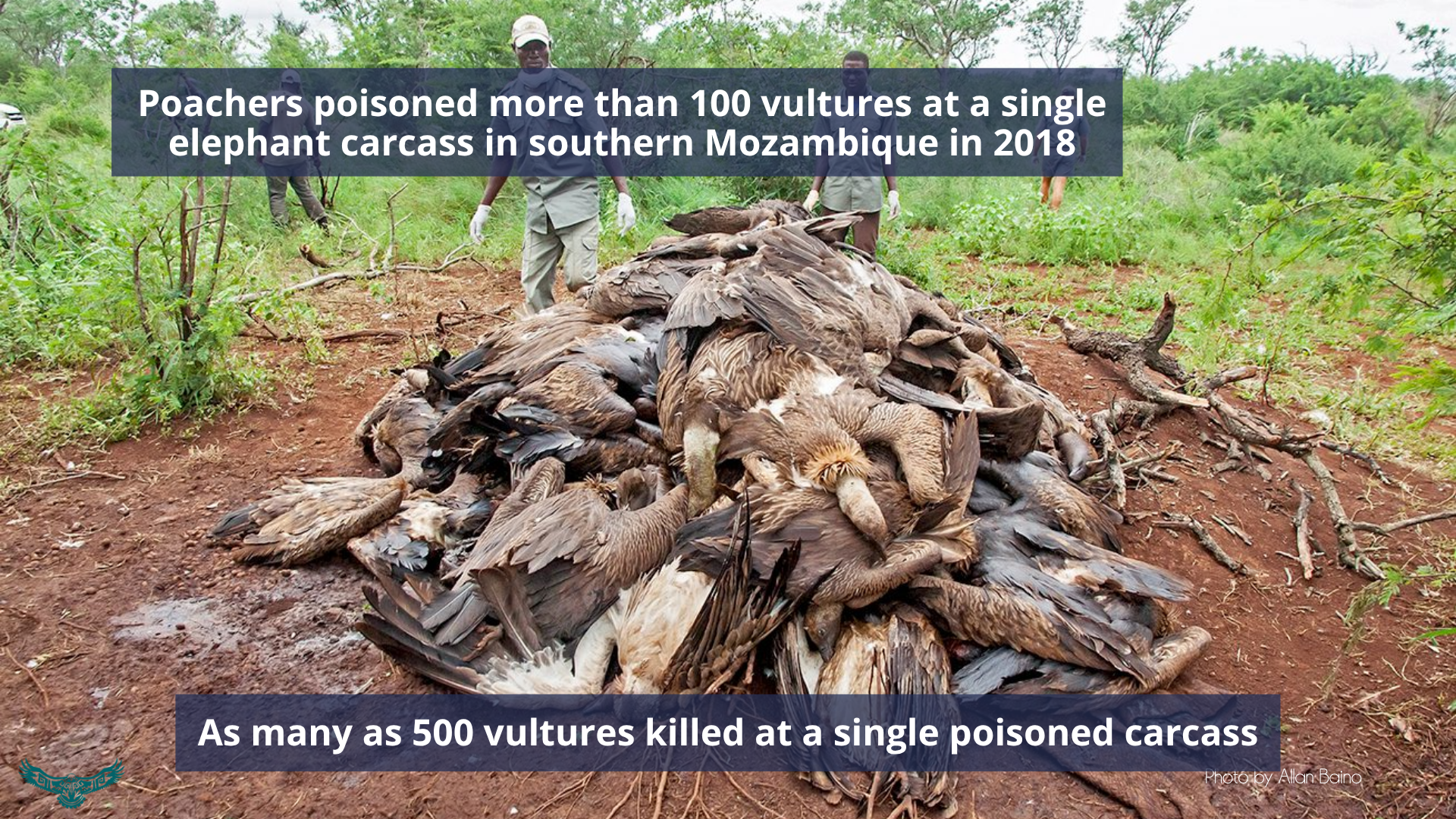
Vultures rapidly locate elephant and rhinoceros carcasses, and their conspicuous circling behavior can inadvertently alert wildlife authorities to the location of illegally killed animals. To avoid detection, poachers increasingly poison carcasses after removing ivory or horn, killing vultures before they can reveal the crime. The scale of these events can be staggering. In southern Mozambique, more than 100 vultures were poisoned at a single elephant carcass in 2018. Other incidents have resulted in the deaths of as many as 500 vultures at one poisoned carcass. These mass poisoning incidents continue today.
Because many African vultures are long-lived species that produce only a single fledgling each year; therefore, populations recover slowly from these catastrophic mortality events. The loss of hundreds of breeding adults at one time may require decades for a population to replace naturally. Or lead to extinction all together.
Belief-Based Use
Poisoning is not the only threat facing African vultures.
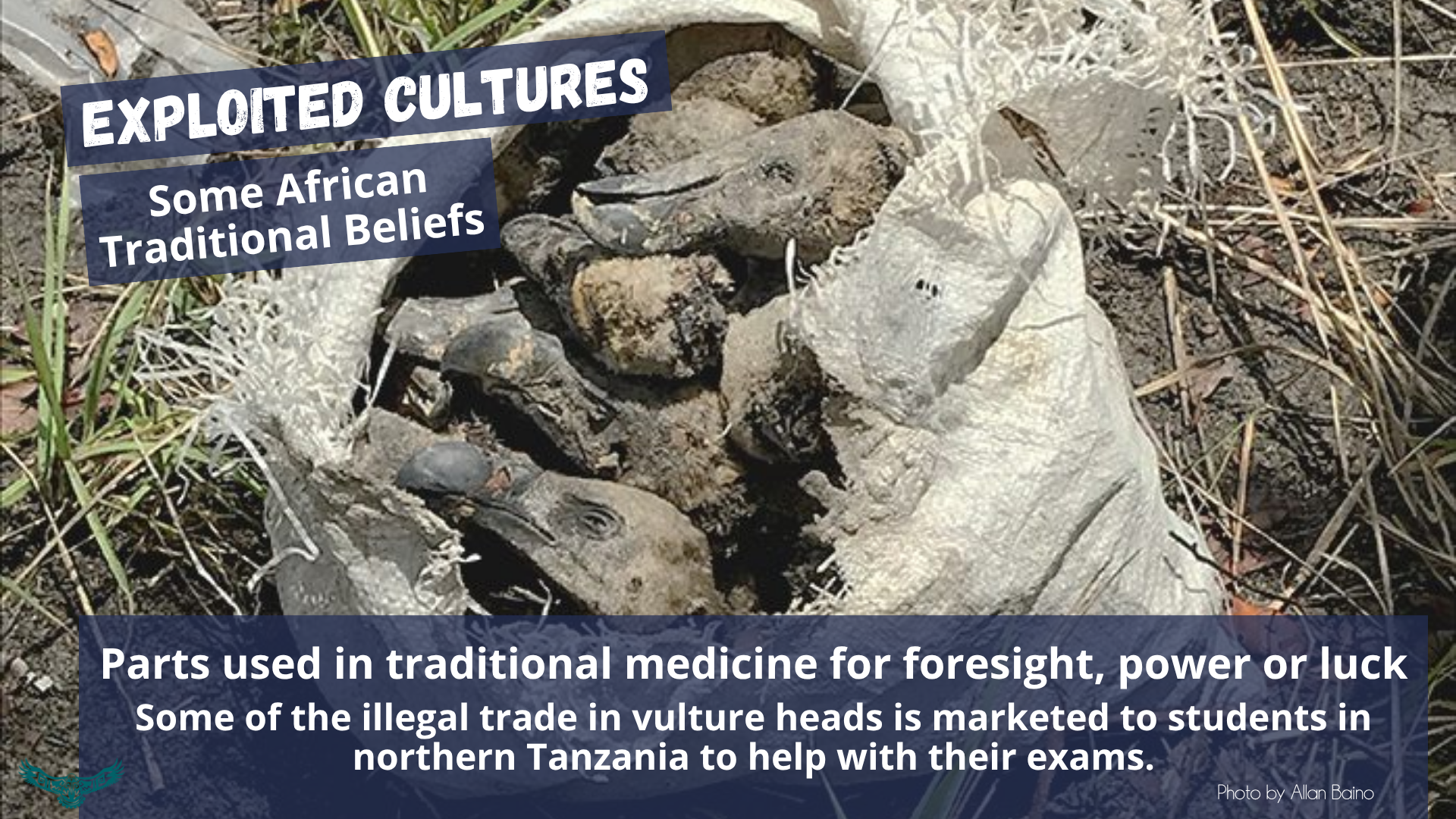
In parts of Africa, vultures are killed for use in traditional medicine and belief-based practices. Various body parts are believed by some practitioners to confer foresight, luck, intelligence, or spiritual power. One documented example involves the illegal sale of vulture heads to students in northern Tanzania, where they are believed to improve examination performance.
While these practices represent only one component of the broader conservation crisis, they contribute additional pressure on already declining populations.
Additional Threats
African vultures also face numerous other anthropogenic threats. Habitat loss continues to reduce suitable nesting and foraging areas, while declining populations of large wild mammals reduce the availability of natural carrion. Expanding electrical infrastructure has increased mortality through collisions and electrocution, and lead poisoning from ammunition remains an important concern for scavenging birds. Disturbance at nest sites may further reduce reproductive success.
Collectively, these threats illustrate an important distinction between the Asian and African crises. In Asia, conservation efforts focused largely on eliminating a single toxic veterinary drug. In Africa, effective conservation requires addressing multiple threats simultaneously, making recovery considerably more complex.
Conservation in Action
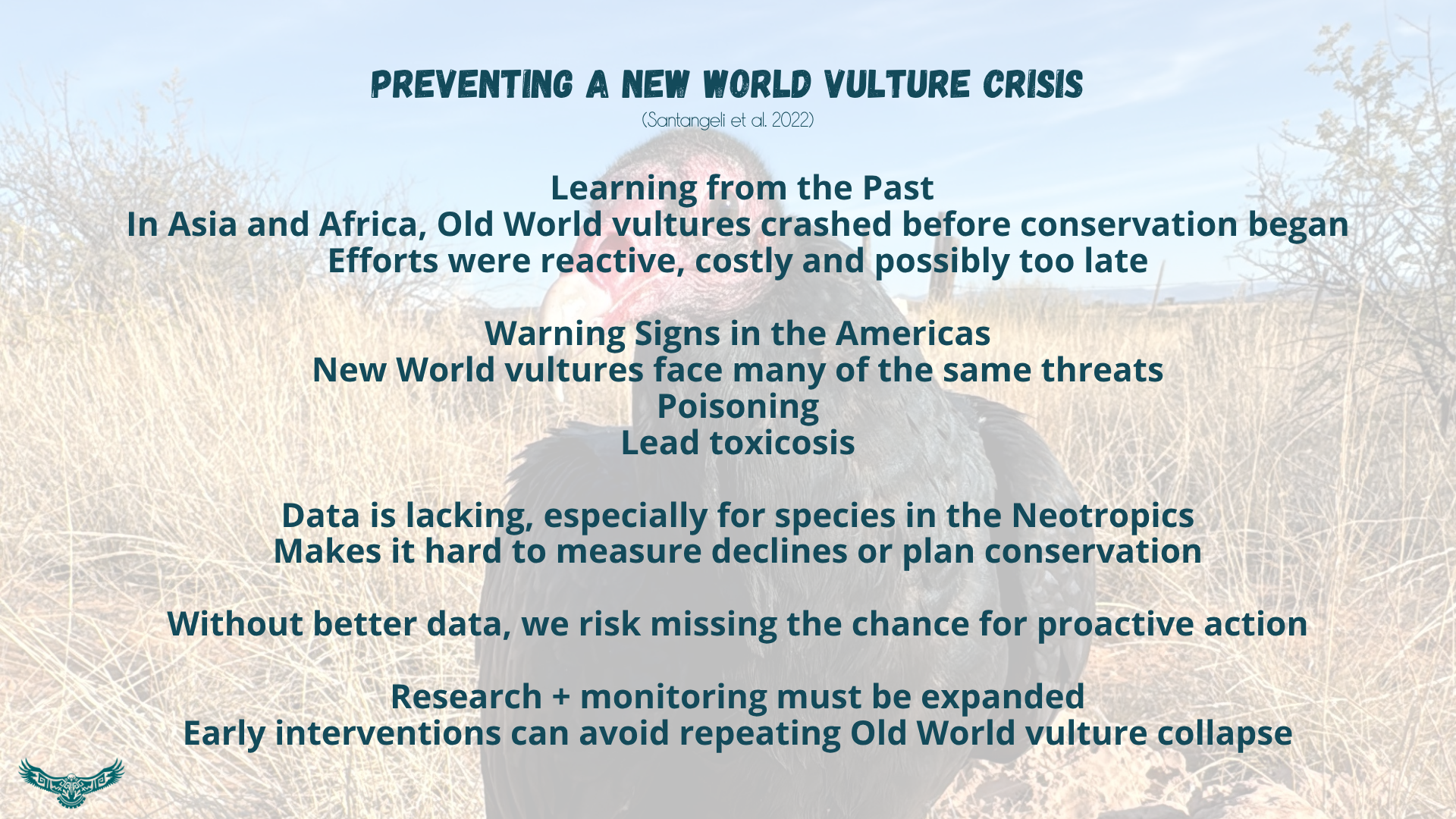
Despite these challenges, conservation efforts throughout Africa are demonstrating that population declines can be slowed when local communities, conservation organizations, and governments work together.
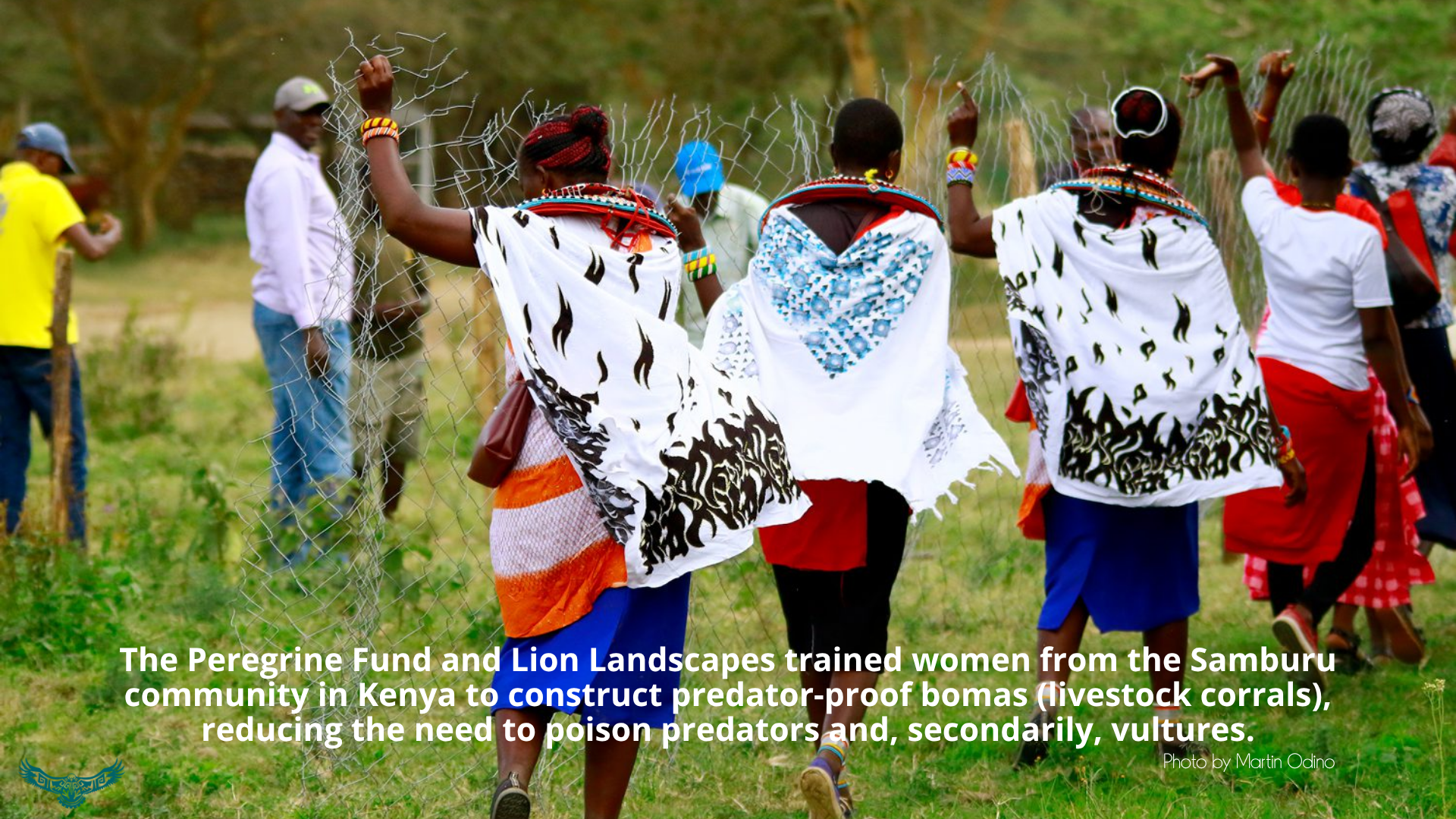
Education has become one of the most effective conservation tools. In Kenya, collaborative programs teach livestock owners about the ecological importance of vultures while providing practical alternatives to poisoning predators. One successful approach involves constructing predator-proof livestock corrals, or bomas, that reduce livestock losses and consequently reduce the incentive to poison carnivores. Because vultures frequently become unintended victims of predator poisoning, protecting livestock also protects vultures.
Additional conservation measures include identifying and reducing electrocution hazards on power infrastructure, promoting the testing and use of veterinary drugs that are safe for vultures, and expanding Vulture Safe Zones (VSZs). First developed in Asia, Vulture Safe Zones establish large areas surrounding important breeding populations where toxic veterinary drugs are removed from use and safe food sources are maintained.
Applying this strategy in Africa presents additional challenges. Many African vultures routinely travel hundreds of kilometers while foraging, often crossing international borders during a single day. Consequently, successful conservation requires cooperation among numerous countries rather than isolated local efforts.
Although many African vulture populations continue to decline, increased international collaboration, stronger anti-poaching enforcement, and community-based conservation initiatives provide reasons for cautious optimism. The lesson emerging from Africa is clear: conservation is most effective when it addresses both ecological threats and the human communities living alongside wildlife.
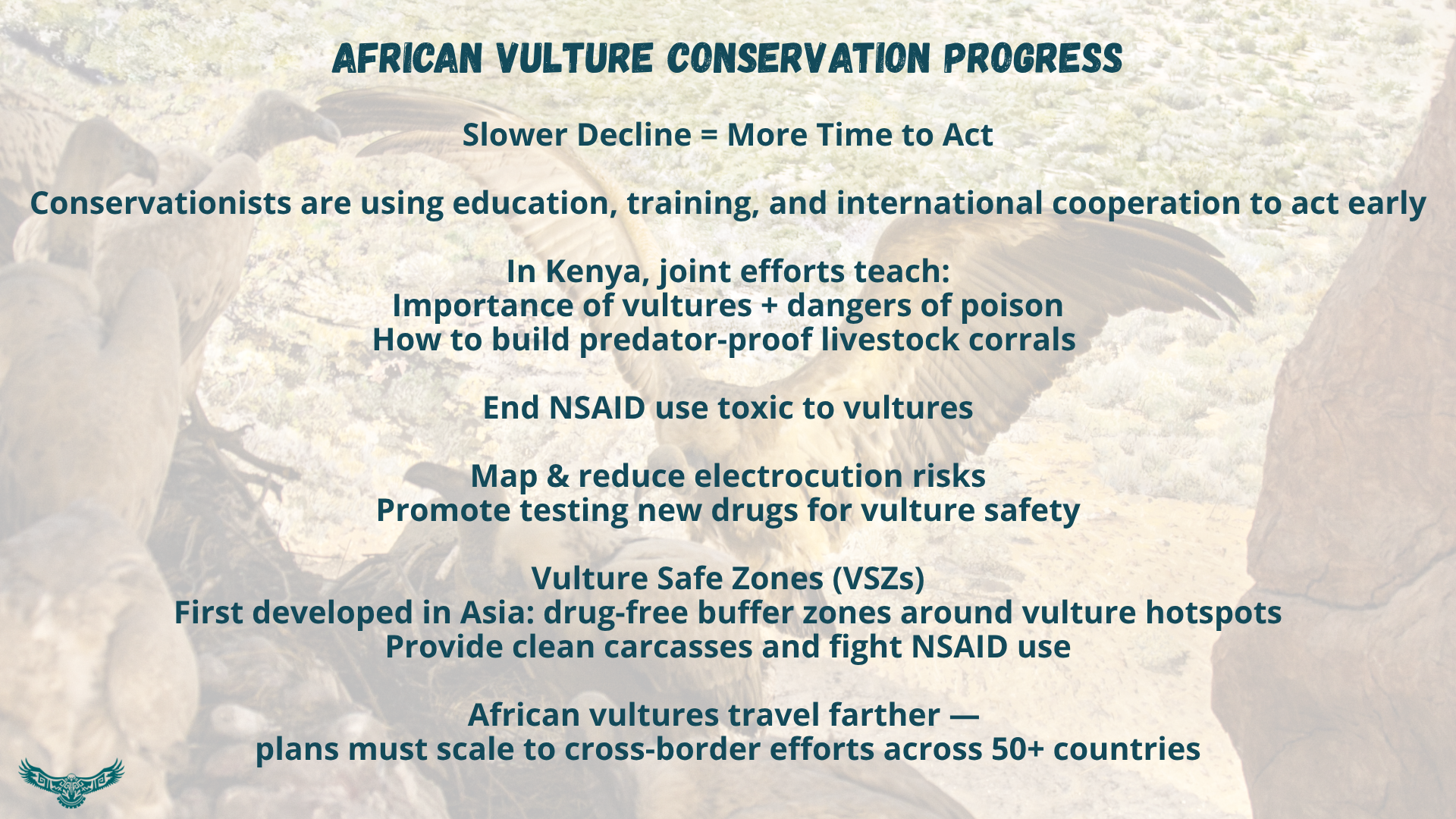
Feared in Western Media
Although many cultures have historically revered vultures, their portrayal in modern Western media has been markedly different. Films, cartoons, and literature frequently depict vultures as sinister, malicious, or opportunistic birds waiting for death to occur. These portrayals reinforce misconceptions that vultures are dangerous or somehow responsible for death, when in reality they simply fulfill an ecological role by removing animals that have already died.
This negative public perception presents a unique conservation challenge. Species that are viewed positively often receive broad public support, while species considered unattractive or undesirable may struggle to generate the same level of interest and funding despite providing equally important ecosystem services. Improving public understanding of vultures is therefore an important component of their long-term conservation.
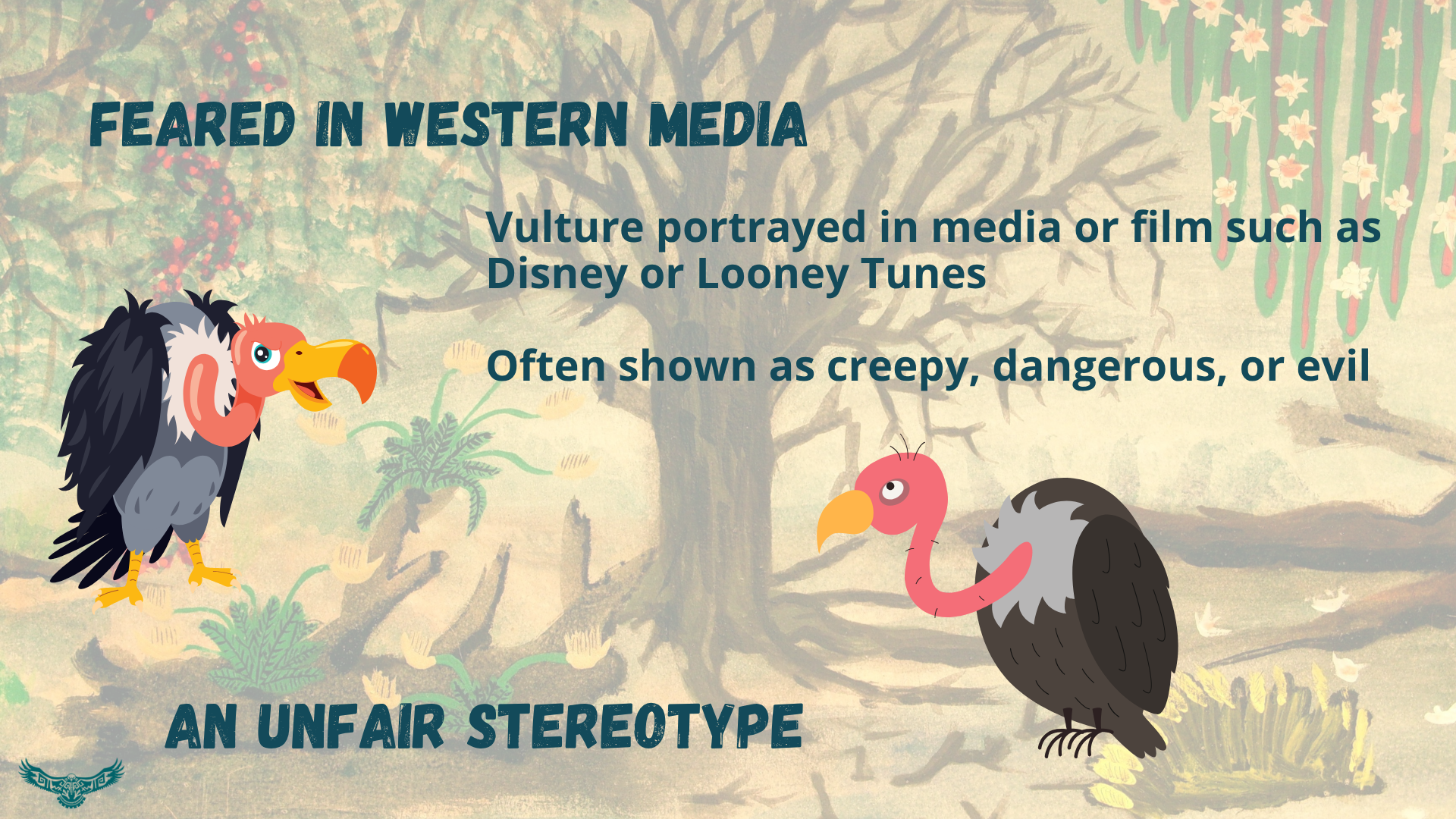
The California Condor: A Conservation Success Story Still in Progress
North America's largest land bird narrowly escaped extinction during the twentieth century. By 1982, only 22 California Condors (Gymnogyps californianus) remained in the wild, following decades of shooting, lead poisoning, habitat loss, and other human-related mortality factors.
Recognizing that extinction was imminent, wildlife agencies made the difficult decision to capture every remaining wild condor and establish a captive breeding program. Although controversial at the time, the strategy ultimately prevented the species' extinction. The first successful captive breeding occurred in 1988, and reintroductions began in California in 1992 and Arizona in 1996.
Today, the California Condor has become one of the world's most recognizable examples of intensive species recovery. Approximately 500 individuals now exist, with roughly half living in the wild. While this represents a remarkable conservation achievement, the species remains Critically Endangered and continues to require intensive management.
Lead poisoning remains the condor's greatest ongoing threat. Condors frequently feed on the remains of animals harvested by hunters, and fragments of lead ammunition left in carcasses or gut piles may be ingested during feeding. Even small amounts of lead can produce severe neurological impairment or death. As a result, switching to non-lead ammunition, such as copper bullets, represents one of the most effective actions hunters can take to support condor recovery as well as protect other species such as eagles.
Condors face an unusual threat rarely considered by the public: microtrash. Curious nestlings may consume small pieces of human-generated debris, including bottle caps, glass fragments, and other litter, brought to the nest by adults. These objects can accumulate within the digestive tract, reducing food intake and contributing to mortality. Proper disposal of even small pieces of trash therefore contributes to condor conservation.
The California Condor demonstrates both the possibilities and limitations of conservation. Species can recover from the brink of extinction, but doing so requires decades of sustained effort, substantial financial investment, and continued management. Preventing species from reaching that point is almost always more effective than attempting to recover them afterward.
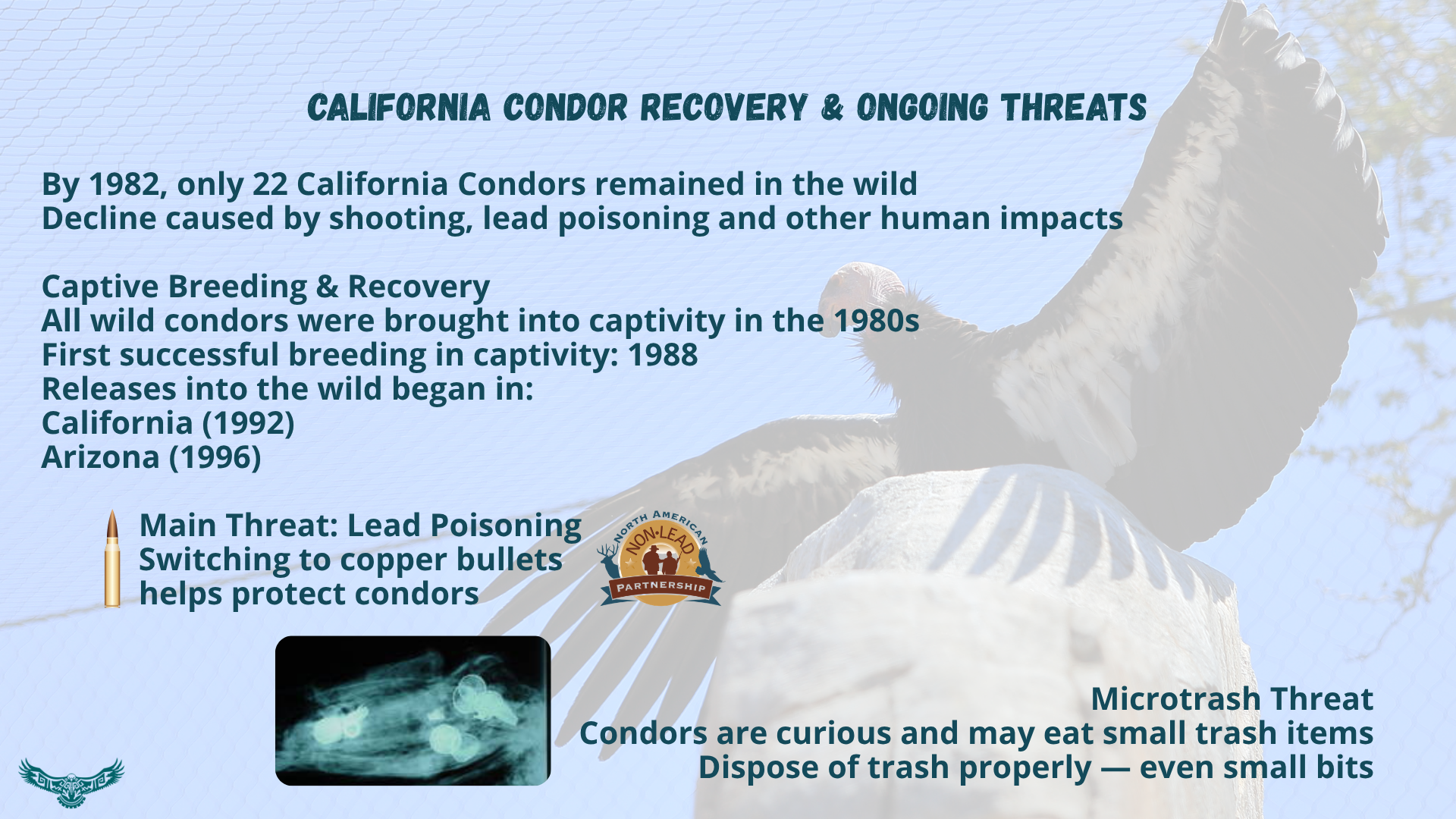
Preventing a New World Vulture Crisis
The declines observed in Asia and Africa provide important lessons for the Americas.
In both regions, conservation efforts largely began after populations had already undergone catastrophic declines. Recovery has required enormous investments of time, funding, international cooperation, and in some cases populations have yet to stabilize.
Many of the same threats affecting Old World vultures are also present in the Americas. Poisoning, lead toxicosis, habitat alteration, and other human-related threats already affect New World scavengers. However, compared with Africa and Asia, relatively little information exists regarding long-term population trends for several Neotropical species. This lack of information makes it difficult to detect declines early enough to implement effective conservation measures (Santangeli et al. 2022).
Rather than waiting for populations to collapse before responding, researchers have emphasized the importance of expanding monitoring programs, improving population assessments, and identifying emerging threats before they become conservation crises. The experiences of Asia and Africa demonstrate that proactive conservation is substantially more effective, and considerably less expensive, than emergency intervention after widespread declines have occurred (Santangeli et al. 2022).
What Can We Do?
The future of vultures depends on a combination of sound science, effective policy, education and public engagement. While large-scale conservation initiatives require governments, researchers, and conservation organizations, individuals also play an important role.
Supporting International Vulture Awareness Day, held annually on the first Saturday of September, helps increase public understanding of these remarkable birds and the challenges they face. Educational programs remain one of the most effective ways to replace misconceptions with evidence-based understanding. This is Druantia’s most important job!
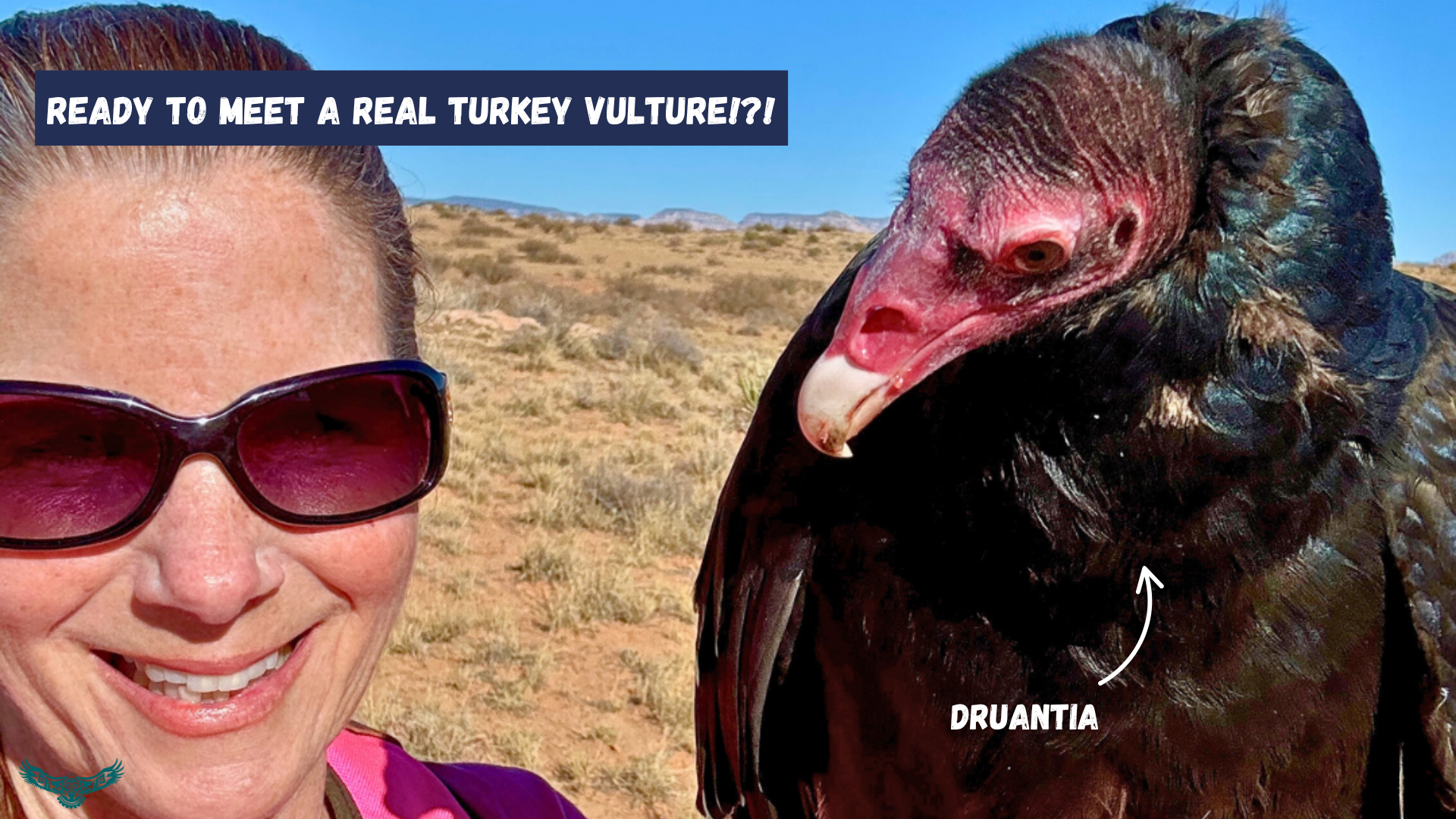
Druantia has changed many minds about vultures
Individuals can also participate in conservation initiatives, including monitoring programs, habitat restoration projects, and community science efforts where opportunities exist. These programs contribute valuable information that helps researchers understand population trends and identify emerging conservation concerns.
When you attend educational programs such as IRFC’s Vultures are Vital you now can be an advocate for vultures by educating those around you. You are now an educator! Educate people about why Vultures are Vital.
Finally, financially supporting organizations engaged in vulture research, rehabilitation, education, and conservation provides essential resources for protecting these species both locally and globally. Conservation success depends not only on scientific research but also on sustained public support.
Conclusion
Vultures occupy a unique position within the natural world. As the only obligate vertebrate scavengers, they provide ecosystem services that few other animals can replace. For centuries, many cultures recognized vultures as symbols of protection, renewal, and the natural cycle of life. Modern conservation science has arrived at a similar conclusion through a different (delayed) path. Vultures are not simply birds that feed on the dead, they are essential components of healthy ecosystems.
Protecting vultures is therefore not only about preventing extinctions. It is about conserving the ecological processes upon which countless other species, including our own, ultimately depend.
The next time you see a vulture soaring overhead, consider what would happen if it wasn't there. The evidence from Asia and Africa suggests that ecosystems, and ultimately people, would notice its absence. THEY’RE NOT GROSS, THEY’RE VITAL!
Literature Cited
Bohrer, G., D. Brandes, J. T. Mandel, K. L. Bildstein, T. A. Miller, M. Lanzone, T. Katzner, C. Maisonneuve, and J. A. Tremblay. 2012. Estimating updraft velocity components over large spatial scales: Contrasting migration strategies of Golden Eagles and Turkey Vultures. Ecology Letters 15:96–103.
Efrat, R., O. Hatzofe, Y. Miller, T. Mueller, N. Sapir, and O. Berger-Tal. 2022. Post release survival of captive-bred Egyptian Vultures is similar to that of wild-hatched Egyptian Vultures and is not affected by release age or season. Ornithological Applications 124.
McClure, C. J. W., J. R. S. Westrip, J. A. Johnson, S. E. Schulwitz, M. Z. Virani, R. Davies, A. Symes, H. Wheatley, R. Thorstrom, A. Amar, R. Buij, V. R. Jones, N. P. Williams, E. R. Buechley, and S. H. M. Butchart. 2018. State of the world's raptors: Distributions, threats, and conservation recommendations. Biological Conservation 227:390–402.
C. J. W. McClure, L. Dunn, J. A. Johnson, T. E. Katzner, R. and E. R. Buechley, editors. 2025. State of the World’s Raptors, The Peregrine Fund, Boise, Idaho, USA.
Naves-Alegre, L., Z. Morales-Reyes, J. A. Sánchez-Zapata, E. Sebastián-González, and O. Ovaskainen. 2022. Scavenging in the realm of senses: Smell and vision drive recruitment at carcasses in Neotropical ecosystems. Proceedings of the Royal Society B 289.
Santangeli, A., E. R. Buechley, S. Mammola, and S. A. Lambertucci. 2022. Priorities for research and action to prevent a New World vulture crisis. Biological Conservation 270.